

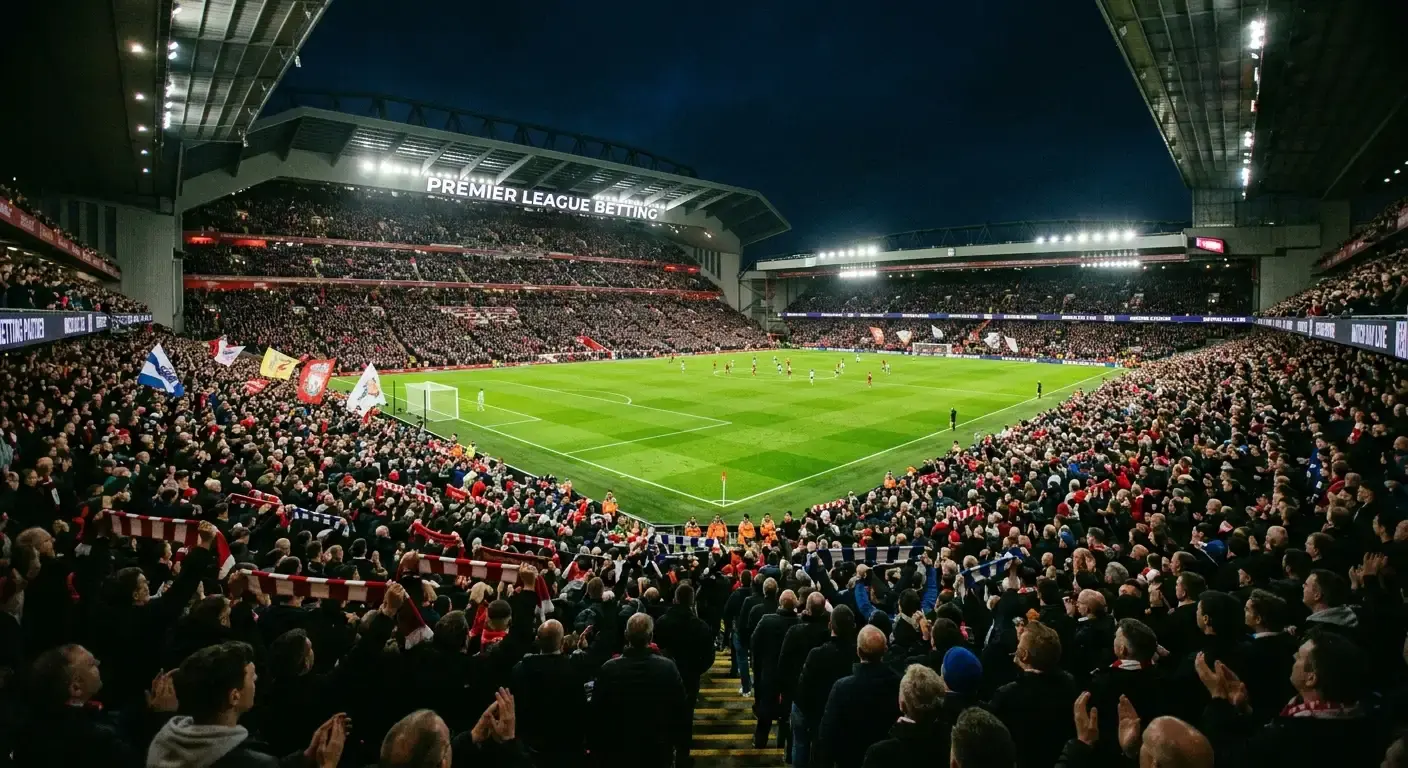
The most efficient football market on the planet
If you want to learn how hard it is to beat a betting market, start with the Premier League, because there is no tougher classroom in football. Every match is watched, modelled and traded by an army of professionals and algorithms, the liquidity is immense, and the prices reflect more information than any other league on earth. I tell newer bettors this not to scare them off but to set expectations honestly: the edges here are real but vanishingly thin, and respecting that is the start of betting it well.
The league is also entering a period of genuine change off the pitch. In the 2025/26 season, 11 of the 20 Premier League clubs carried bookmaker sponsors on the front of their shirts, but a voluntary ban on front-of-shirt gambling sponsorship takes effect from the 2026/27 season, making the Premier League the first sports league in the UK to take such a step. That shift will not change a single odds line directly, but it reshapes the commercial landscape around the league, and understanding the context makes you a sharper observer of the sport you are betting.

The markets that define EPL betting
The Premier League offers the deepest menu of markets in football, and knowing which ones reward analysis is half the battle. The match result, the three-way home-draw-away market, is the most traded and therefore the most efficiently priced, which means it is the hardest to find value in. The sheer weight of money on these lines grinds out most of the mispricing before kick-off, so I rarely expect to beat the headline result market on a marquee fixture.
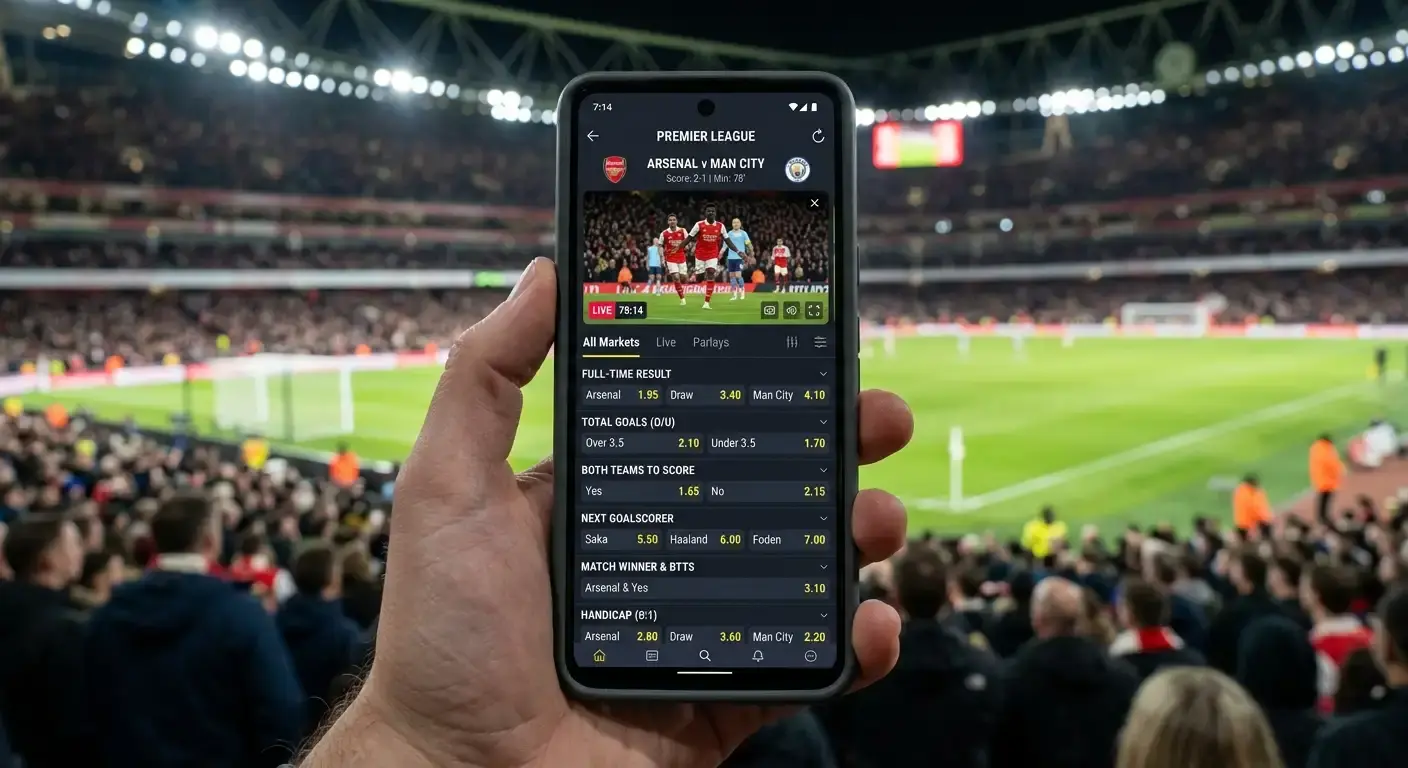
The goals markets are where I spend more of my attention. Both teams to score, over and under totals, and the various goal-line variations attract slightly less sharp money than the result, and the relationship between a team’s underlying performance and its goal output can throw up prices worth taking. The Premier League’s tactical diversity, from possession-dominant sides to aggressive pressing teams to deep-block defensive units, produces goal patterns that reward genuine study rather than reputation.
Then there is the sprawling world of player and match props, the cards, corners, shots and goalscorer markets that have exploded in availability. These are less efficiently priced than the core markets because there are simply too many of them for the operators to model perfectly, and a bettor who specialises in one niche, say a deep understanding of which referees produce cards or which full-backs deliver crosses, can find genuine edges the broad market misses. Specialisation beats generalism in a league this heavily traded.
The long game of season-long outrights
Season-long markets are a completely different discipline from match betting, and I treat them as such. The title race, the top-four chase, relegation, the golden boot, these are outright markets where you back an outcome that resolves over an entire campaign, tying up your stake for months in exchange for the chance to lock in a price before the rest of the market catches up to a developing story.
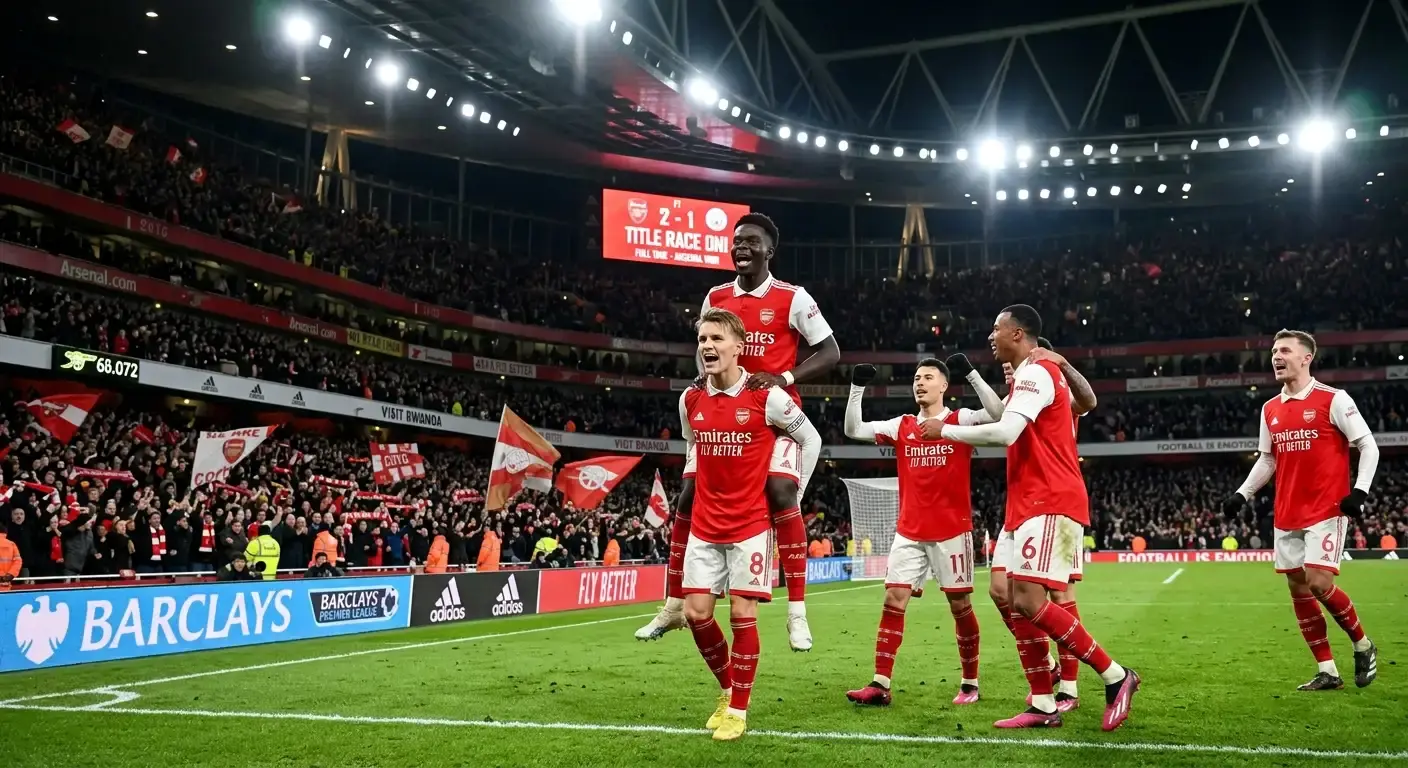
The value in outrights is overwhelmingly a timing question. Prices are at their longest before the season starts and before a narrative has formed, which is exactly when uncertainty is highest and a well-judged early position can pay handsomely if it lands. Backing a newly strengthened side for a top-four finish in August, before their improvement is reflected in the price, is the classic outright value play, but it demands you tie up funds and accept that a single injury or managerial change can sink a months-long position.
I am selective with outrights precisely because of that illiquidity and risk. The relegation market often offers the clearest value, because the bottom of the table is harder to model than the top and public sentiment lags behind a struggling side’s true trajectory. The title market, by contrast, is usually dominated by a small cluster of favourites whose prices leave little room, so I rarely bother unless I have a genuine contrarian read on a season’s shape.
What the sponsorship shift actually means
The front-of-shirt gambling sponsorship ban arriving in 2026/27 is the biggest change to the league’s commercial fabric in two decades, and while it does not move odds, it tells you something about the direction of the sport. The financial stakes are substantial: Premier League clubs stand to lose an estimated 80 million pounds collectively from the ban, with clubs that currently carry gambling sponsors losing on average 38 percent of their front-of-shirt sponsorship value when they replace those deals with non-gambling brands.

For a bettor, the relevance is indirect but worth grasping. The ban reflects a broader regulatory tightening around gambling’s relationship with football, the kind of shift that, over time, changes how operators advertise, what promotions they offer and how the whole ecosystem around the league behaves. It does not make a bookmaker’s price on a Saturday fixture any sharper or softer, but it is part of a changing environment that a thoughtful bettor stays aware of rather than ignoring.
It is also a reminder that the gambling industry and the sport are entangled in ways that are now being deliberately loosened. The money flowing out of front-of-shirt deals is being redirected, with some of it moving towards sponsorship in the divisions below, which is part of why the betting landscape across the English football pyramid is shifting at the same time. The Premier League is the headline, but the ripples reach the rest of the game.
How I approach a Premier League slip
My practical advice for betting this league comes down to humility and specialisation. Accept that the core markets are close to unbeatable for the casual bettor, and either avoid them or treat them as entertainment rather than investment. The professionals have already squeezed the value out of the home-draw-away line on a televised Sunday fixture, and pretending otherwise is how you donate steadily to the operators.
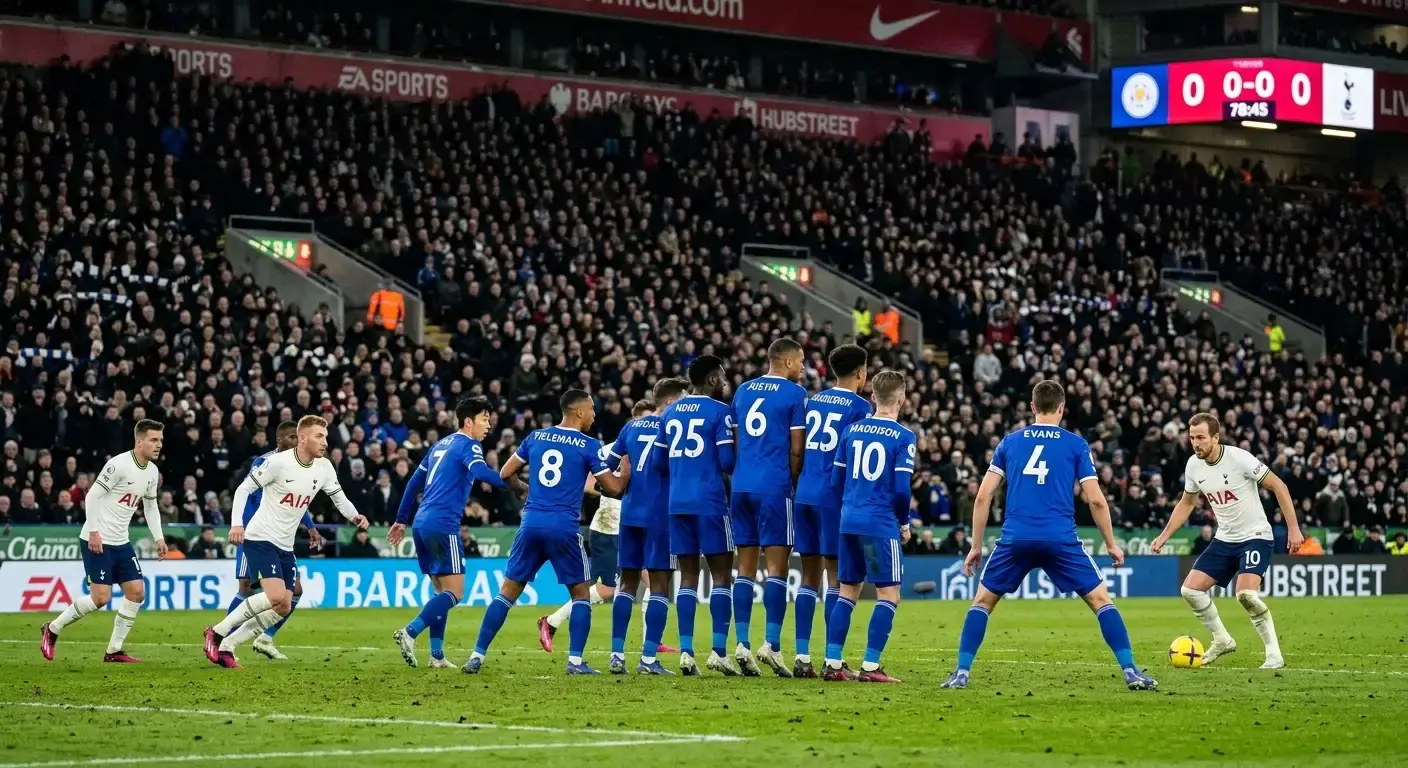
Where I look for an actual edge is in the corners of the market that reward specific, unfashionable knowledge. A deep understanding of one team’s tactical tendencies, a particular referee’s card profile, the way a specific manager sets up against pressing sides, these are the slivers of insight that the broad market underweights because no algorithm can fully capture them. Pick a niche, learn it better than the price-setters do, and bet only when your specialist knowledge genuinely disagrees with the line.
Finally, I treat the Premier League as one league among many rather than the only one worth betting. Its very efficiency means the value is thinner here than in less-watched competitions, and the natural progression for a serious bettor is to apply the same disciplined approach to markets where the price-setters are working with less information and less liquidity. European nights are a prime example, where the unfamiliarity of opponents and the two-legged format create pricing puzzles the Premier League simply does not offer, and my guide to group stage and knockout markets covers exactly where those edges hide.
