


The button that feels like a gift and usually isn’t
Cash out is the most psychologically seductive feature betting has ever invented, and I say that having clicked it too early more times than I care to admit. It offers to settle your bet before the event finishes, handing you a guaranteed sum to walk away with rather than sweating the outcome. That offer feels like control, like the bookmaker doing you a favour, and understanding why it is neither is one of the more valuable lessons a bettor can learn.
The feature has flourished because of how we bet now. Live and in-play betting accounts for 53.4 percent of all online betting activity at the start of 2026, and cash out is the natural companion to that shift, giving you a constantly updating exit option while a match unfolds in real time. It is brilliantly engineered to be tempting at exactly the moments your nerve is most likely to wobble, and the operator offers it not out of generosity but because, on average, it works in the operator’s favour. Let me show you the machinery behind the button.
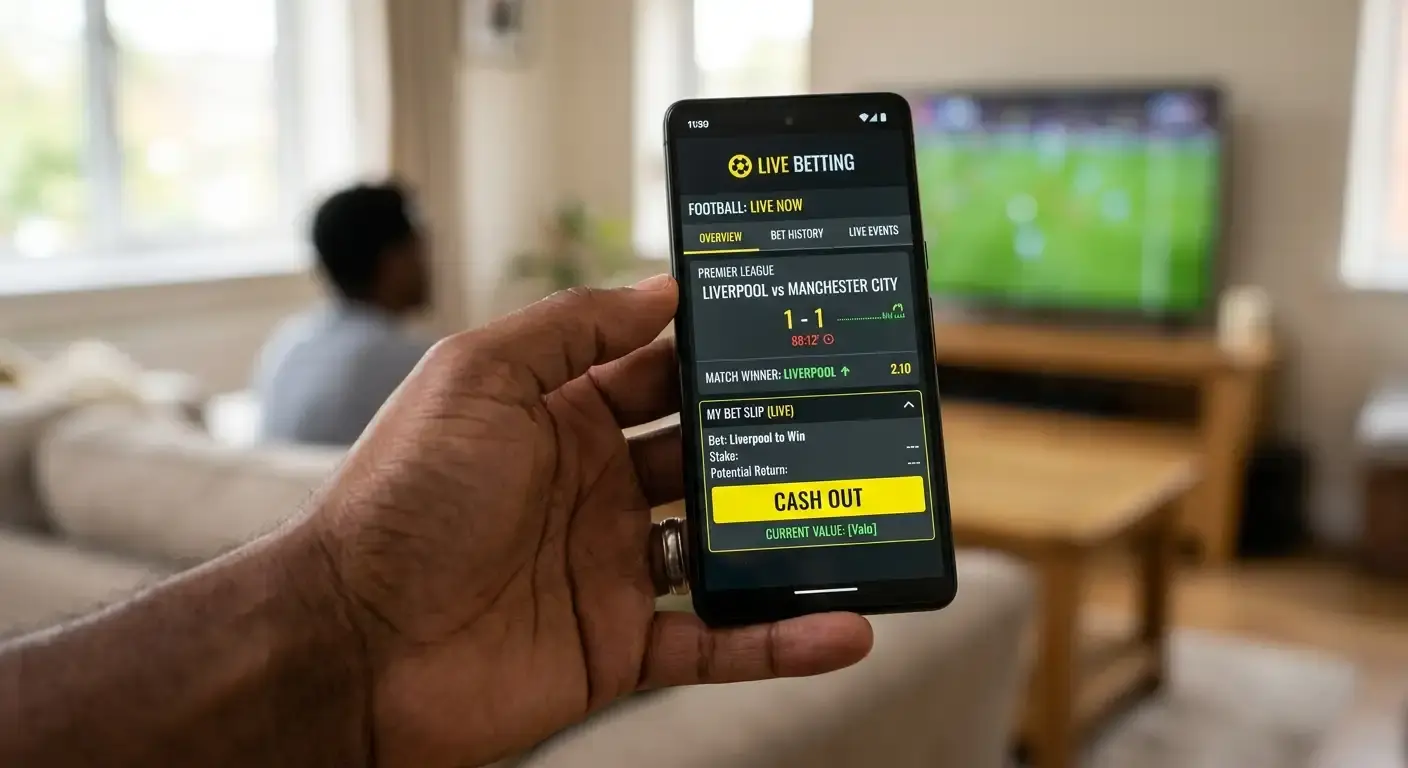
How the cash out figure is calculated
The cash out value is not a random number, it is a live recalculation of what your bet is currently worth based on the changing odds. When you place a bet, it has a potential return at the odds you struck. As the match progresses, the probability of your bet winning shifts, and the bookmaker continuously reprices it. The cash out offer reflects that current probability, converted into a figure you can take now instead of waiting for the result.
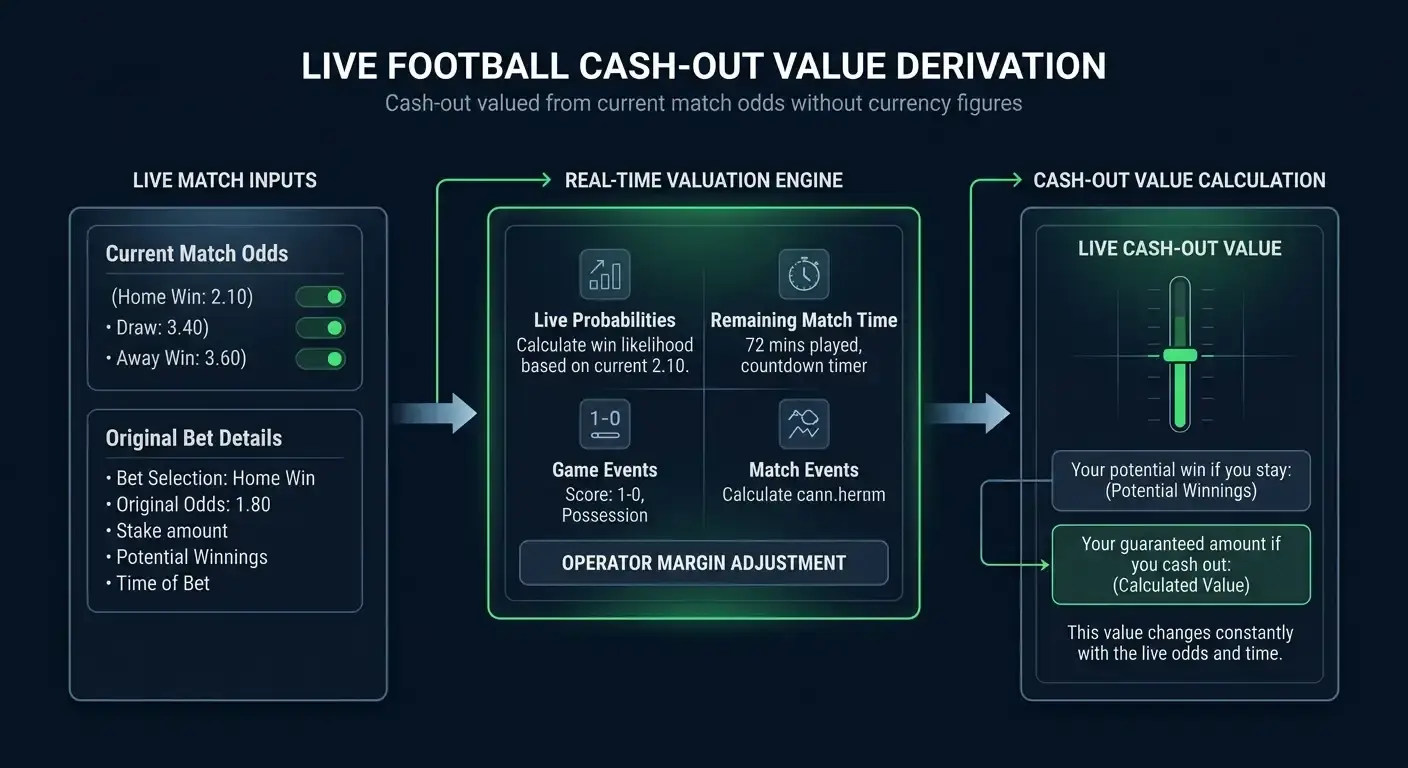
Picture a simple case. You back a team to win at decent odds before kick-off, and they take an early lead. Their probability of winning has risen, so your bet is now worth more than your stake, and the cash out offer climbs above what you risked, letting you lock in a profit before the final whistle. Conversely, if your team falls behind, your bet’s probability of winning drops, and the cash out figure shrinks below your stake, offering you the chance to recover a fraction rather than risk losing everything.
The crucial point is that this recalculation is done by the operator, using its own current odds, which already contain its margin. The cash out figure is always set so that, over many such offers, the operator profits from the bettors who accept them. It is a fair-looking number built on unfair-to-you foundations, because the same margin that shades every price is baked into the exit value too.
Partial and automatic cash out
Operators have layered variations onto the basic feature, and two are worth understanding. Partial cash out lets you take some of the cash out value now while leaving the rest of your bet running, so you can lock in a guaranteed portion while keeping a stake on the original outcome. If your team is winning and you are nervous but not ready to fully bail, partial cash out lets you bank half the value and ride the rest, a compromise between greed and fear that the feature is designed to satisfy.
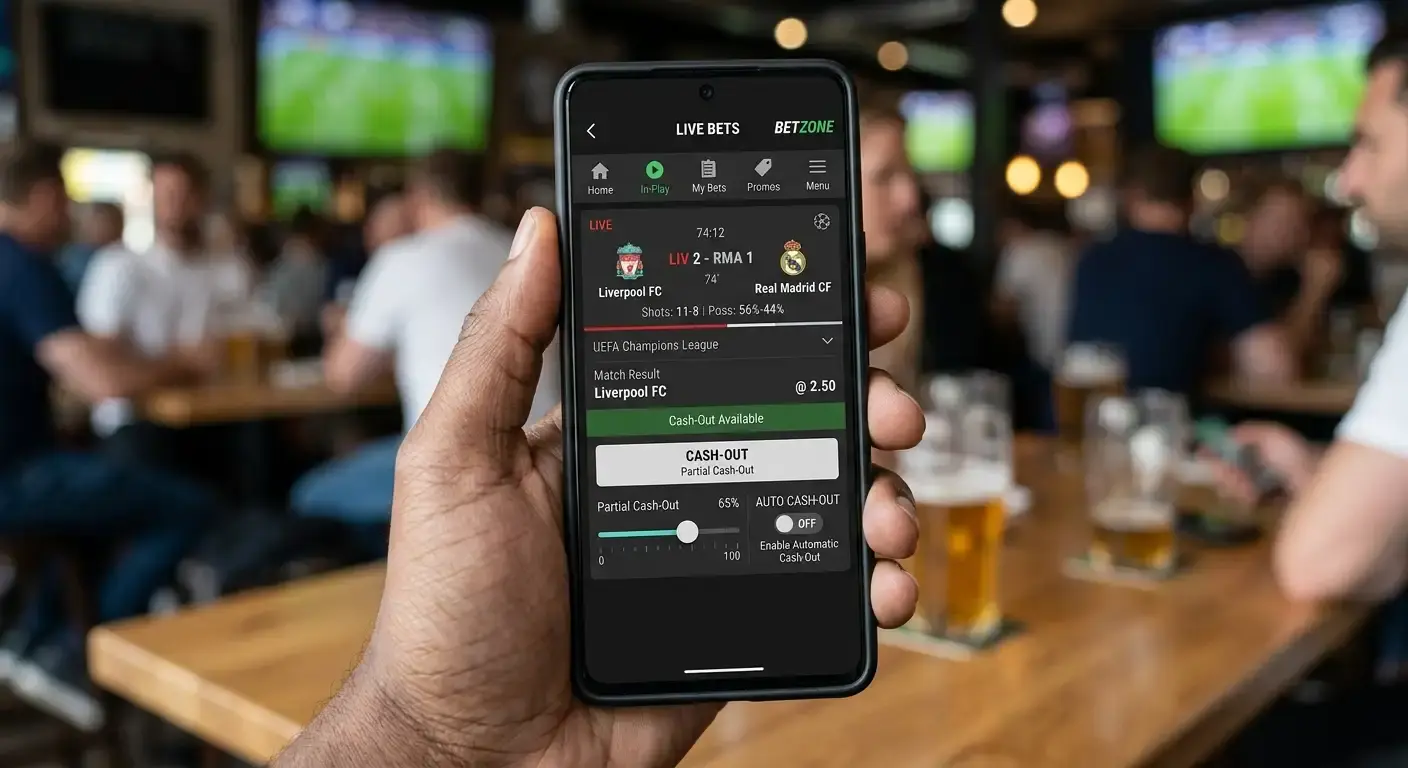
Automatic cash out lets you set a target value in advance, instructing the system to cash out automatically when your bet reaches a figure you specify. You might set it to trigger the moment your bet is worth a certain profit, removing the need to watch the match and the temptation to second-guess yourself in the heat of the action. It is the closest cash out comes to imposing discipline, because it turns an in-the-moment decision into a pre-committed plan, which is generally how good betting decisions should be made.
Both variations are genuinely useful tools for managing a position, but neither changes the underlying maths. Whether you cash out fully, partially or automatically, you are accepting a figure the operator has calculated to favour itself, so the variations affect how you exit, not whether the exit is good value. Used thoughtfully they help you stick to a plan; used impulsively they simply give the operator more moments to take its edge.
The situations where cashing out genuinely makes sense
For all my scepticism, cash out is not always the wrong choice, and there are specific situations where taking it is rational. The clearest is when circumstances have changed in a way that genuinely alters your assessment, not just your nerves. If a key player is injured, the weather turns, or the game state shifts such that your original read no longer holds, cashing out to escape a bet you no longer believe in is sound, because you are acting on new information rather than fear.

The second sensible case is managing an accumulator where most legs have landed and one remains. If four of your five selections have won and the final leg is live, the cash out offer can represent a guaranteed return that is substantial relative to your stake, and locking in a near-certain profit rather than risking it all on one remaining outcome can be a reasonable risk-management decision. The variance of letting a big multiple ride on a single leg is real, and removing it has genuine value to some bettors.
The third is purely about your own psychology and bankroll. If a bet has grown large enough that losing it would genuinely affect your finances or your composure, taking a guaranteed sum to remove that stress can be worth the small expected-value cost, because betting is supposed to be sustainable and enjoyable, not a source of anxiety. Cashing out to protect your peace of mind is a legitimate personal choice, even if the maths slightly favours holding.
The cost hiding inside every cash out
Here is the truth the button obscures: every time you cash out, you pay a hidden cost, and over a lifetime of betting that cost is substantial. The operator calculates the cash out figure using its own margined odds, and the average bookmaker hold rate has climbed from 6.7 percent in 2018 to 10.15 percent in 2025, which means the margin embedded in the exit value is fatter than ever. You are effectively paying the operator’s edge a second time, once on the original bet and again on the way out.
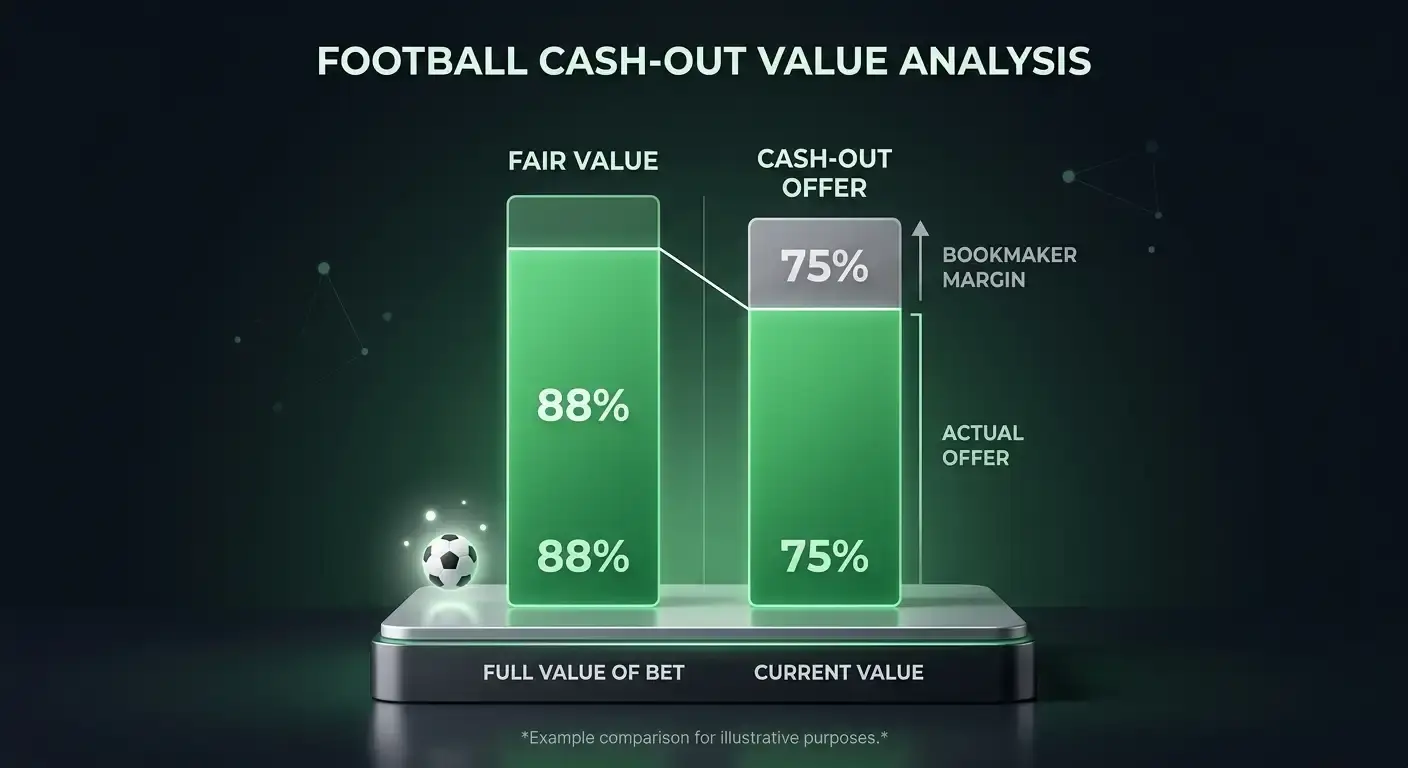
The result is that habitual cashing out is one of the quietest, most reliable ways to erode your returns. A bettor who lets their winning bets run to the final whistle keeps the full value of those wins, while a bettor who cashes out the moment they are ahead consistently accepts less than the bet is worth, surrendering a slice of every winner to the operator’s recalculated price. Multiply that small surrender across hundreds of bets and it becomes a meaningful drag on profitability.
My discipline is to cash out only when I have a genuine reason, new information, accumulator risk management, or a stake grown too large for comfort, and never simply because the button is there and my nerve is wobbling. The feature is engineered to exploit exactly that wobble, and resisting it is part of betting well. Cash out lives entirely within the in-play environment, where the constant repricing and the ever-present exit button create both opportunity and temptation, so understanding how live markets move is essential to using cash out wisely. My guide to how live markets move during a match covers the in-running dynamics that drive every cash out figure you will ever see.
