


How a single match became a whole coupon
When I started betting, combining selections meant stitching together results from five different fixtures and praying none of them let you down on a Saturday afternoon. The bet builder changed all of that, and faster than almost any product I’ve watched arrive. It lets you build a multi-leg bet entirely within one match, stacking goals, cards, shots and results into a single price, and punters have embraced it wholesale.
The numbers tell the story. In the most recent US betting census, 41% of bettors named the same-game parlay, the American name for the bet builder, as their preferred bet type, and the picture in the UK mirrors that enthusiasm. It is now the headline product on most betting apps, splashed across the front of every matchday promotion. The reason is simple: it turns watching one game into following a dozen storylines at once, and that engagement is exactly what the bookmaker wants. Understanding how it is priced is how you stop the engagement from quietly costing you.
How a bet builder prices its legs
A bet builder multiplies the odds of each selection together, just like a traditional accumulator, except every leg comes from the same fixture. Pick a team to win, over 2.5 goals and a named player to have two or more shots on target, and the bookmaker combines those three prices into one. Three modest selections at unremarkable odds compound into a single, much larger number, which is the visual hook that makes builders so appealing.

The crucial difference from a normal acca is that the legs are not independent. In a multi-match accumulator, the result of one game has no bearing on another. Inside a single match, the selections are tangled together, and the bookmaker’s pricing engine has to account for how they interact. That accounting is where the margin lives, and it is far harder to spot than in a straightforward multiple.
Because the legs are correlated, bookmakers cannot simply multiply the prices as if each were a separate event. They apply adjustments, usually shading the combined odds shorter than a naive multiplication would suggest, to protect themselves against selections that tend to happen together. The headline odds still look generous, but they are quietly less generous than the individual prices imply, and that hidden haircut is the price you pay for the convenience.
Correlation is the whole game
This is the concept that separates a thoughtful builder from a random one, so let me make it concrete. Correlated selections are outcomes that are more likely to occur together than chance alone would suggest. If you back a heavy favourite to win and also back over 2.5 goals, those legs are linked, because a dominant attacking team winning comfortably tends to produce goals. When one leg lands, the other becomes more likely.

Bookmakers know this, which is why they restrict or reprice the most obviously correlated combinations. The era when you could back a striker to score first and his team to win and pocket the naive combined odds is largely gone; the pricing engines now compress those linked legs hard. But the principle still works in your favour when you find correlations the model underrates. A pacy, counter-attacking underdog keeping the game tight and a low-scoring total is a correlation worth building around, because the two legs reinforce each other in a way the generic price may not fully capture.

The flip side is negatively correlated legs, which quietly destroy value. Backing a team to win to nil while also backing both teams to score is self-defeating, because the two selections actively contradict each other and can never both land. It sounds obvious written down, but I have watched people build exactly these contradictions without noticing, lured by a bigger combined number into a bet that was impossible to win in full.
The combinations punters actually reach for
Walk through any betting app on a big match and the popular builder templates are everywhere: a team to win, over a certain number of goals, and a star striker to score anytime. Or a result, plus a total corners line, plus a named midfielder to be carded. Or a clean sheet for a defensive side combined with under 2.5 goals. These pre-packaged combos are popular because they tell a coherent story about how a fan expects the match to unfold.
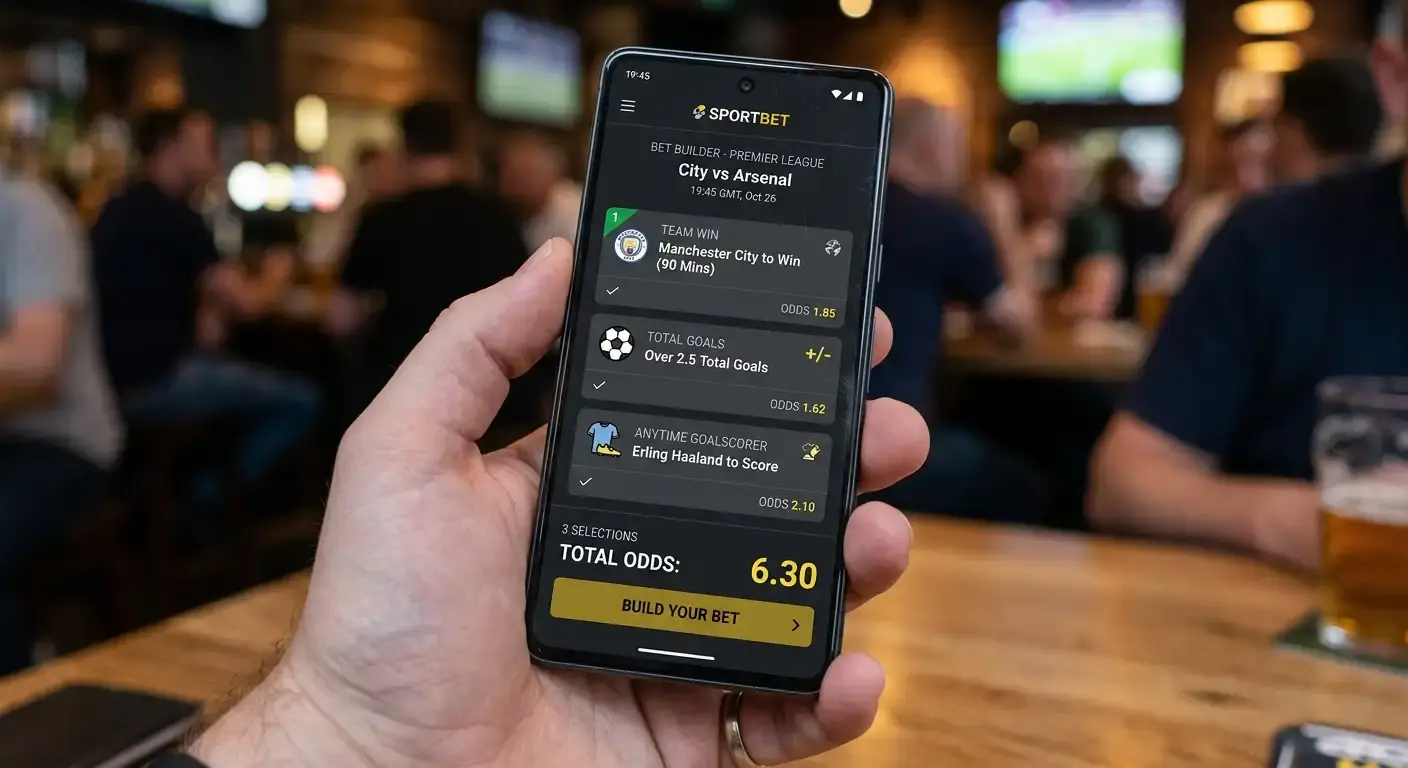
The ones I actually back are built around a single strong thesis with legs that support it rather than scatter across unrelated guesses. If my read is that a physical, route-one side will dominate a smaller team, I might pair the win with over a corners line and a tall striker to score, because all three flow from the same underlying expectation. The legs are correlated in my favour and they describe one plausible version of the game, not three disconnected hopes. Goalscorer legs are the heart of most builders, and understanding how those scorer markets are priced will sharpen every builder you ever construct.

Keeping a leash on the builder
The bet builder is the single most profitable product the modern bookmaker has, and that should tell you everything about who it is designed to serve. Accumulator-style bets generate 60 to 75% of bookmaker revenue while accounting for only 25 to 35% of the money staked, and the bet builder is the slickest, most engaging delivery mechanism for that lopsided economics ever invented. Every extra leg you add multiplies the margin against you, even as the headline payout swells.
My discipline with builders is ruthless and I recommend you adopt it. I cap the number of legs, because each additional selection compounds the bookmaker’s edge and slashes the real probability of the whole bet landing. I build only around a genuine, single thesis about the match rather than padding the slip to chase a bigger number. And I treat builders as a small, considered part of my staking, never the centrepiece, because a product engineered to be this profitable for the house is not where a long-term edge lives.
The bet builder is fun, it deepens how you watch a game, and used sparingly with real correlation logic it is a legitimate tool. Treated as a weekly lottery ticket with six legs glued together, it is the most efficient way the industry has yet found to separate enthusiastic punters from their money. Know which one you are doing.
