The market I wish someone had shown me on day one
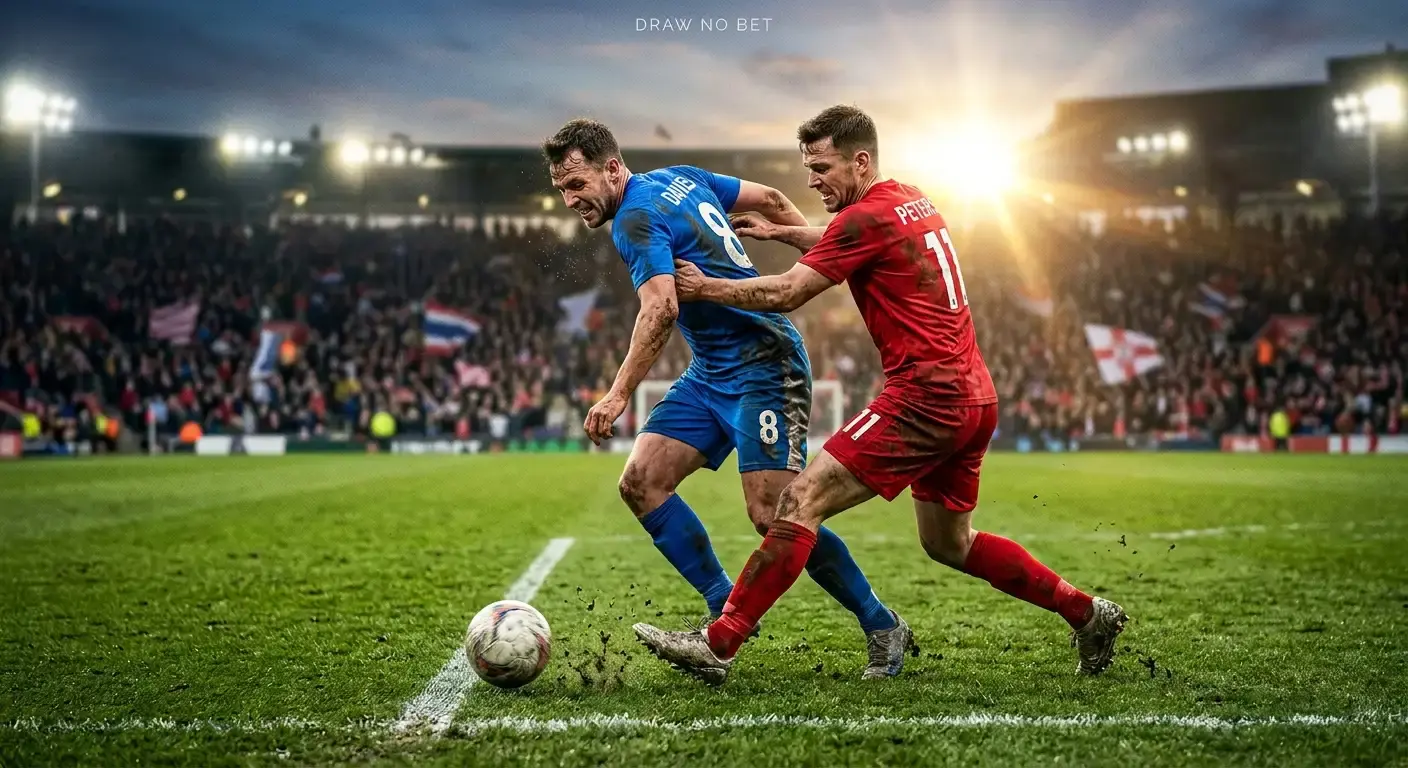
Nobody explained draw no bet to me when I started, and I lost a small fortune backing favourites in the standard result market only to watch them grind out late draws. A 0-0 or a 1-1 wiped my stake every time, even when my read on the better side had been completely correct. Draw no bet would have saved most of those losses, because it does exactly what the name promises: it takes the draw out of play entirely.
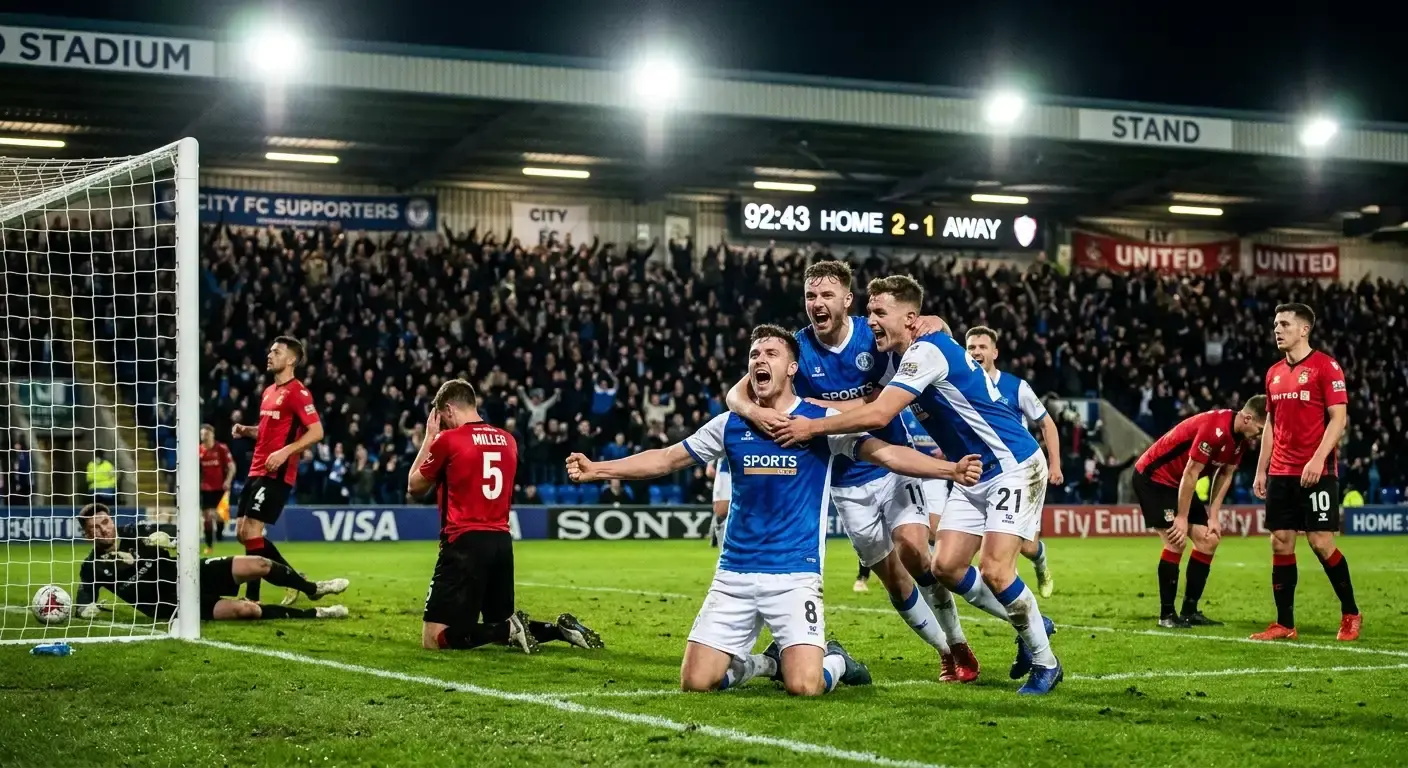
The appeal is straightforward and it explains why this market quietly attracts thoughtful money. Backing a team in the three-way market means a draw beats you even when you were right that one side was superior, and football produces a lot of draws. Draw no bet refunds your stake when the match is level, so you only ever lose if your team actually loses. For anyone who has been burned by a stoppage-time equaliser, that protection is worth understanding in detail.
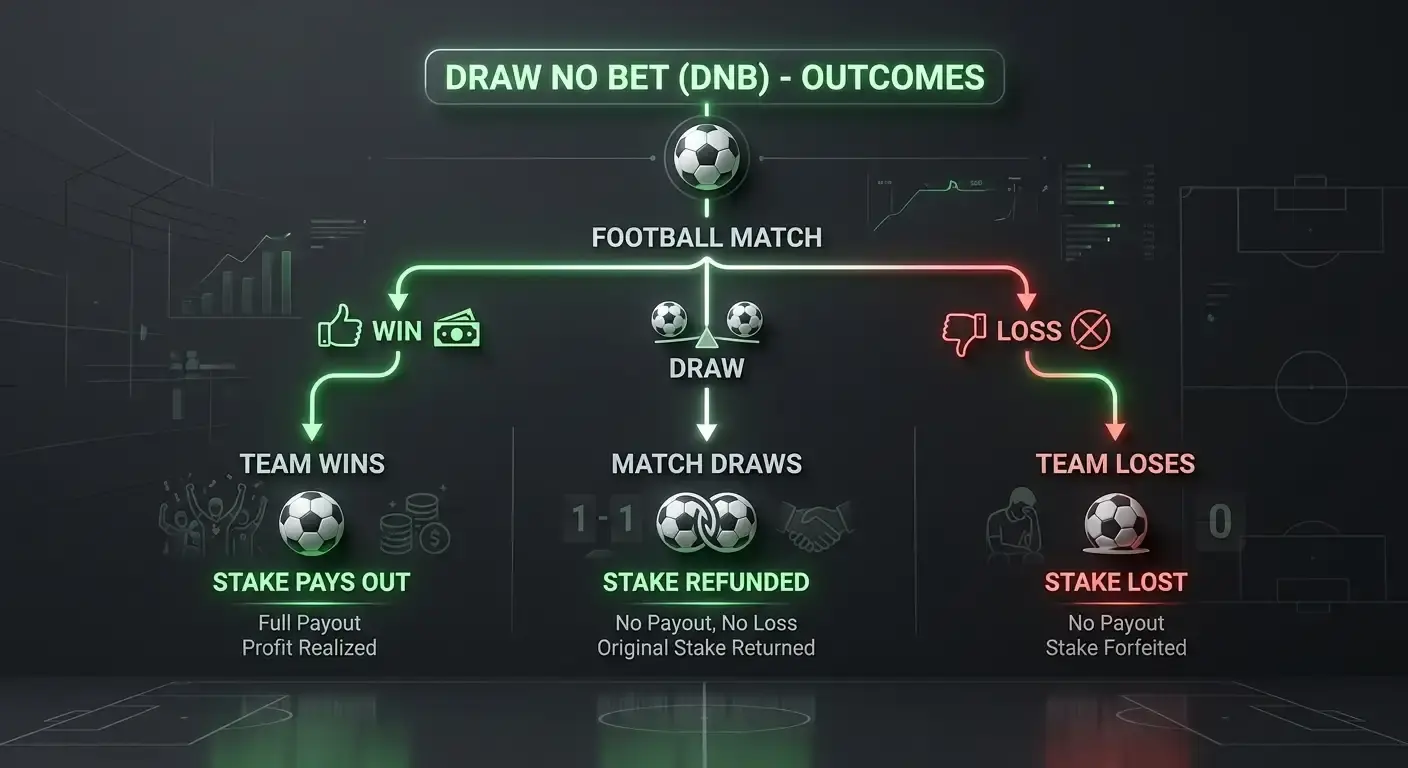
How a draw no bet settles
The mechanics could not be simpler. You back one team. If they win, you collect at the draw no bet odds. If they lose, your stake is gone. If the match ends in a draw, your entire stake is returned, win or lose effectively cancelled. The draw is treated as a void rather than a result, which is where the market gets its name.
That refund is not free, of course. Because the bookmaker is insuring you against the draw, the odds on a draw no bet selection are always shorter than the same team in the straight win market. You sacrifice some of the price in exchange for the safety net. Back a favourite to win at 2.00 in the three-way market and their draw no bet price might sit nearer 1.55, the difference being the cost of that insurance.
Behind the scenes, the bookmaker is essentially splitting your stake across the win and the draw, paying you out on the win portion and refunding the draw portion. Understanding that is enough to grasp why the odds compress: you are no longer being paid for the risk that the game ends level, because that risk has been removed at your expense.
Draw no bet against double chance
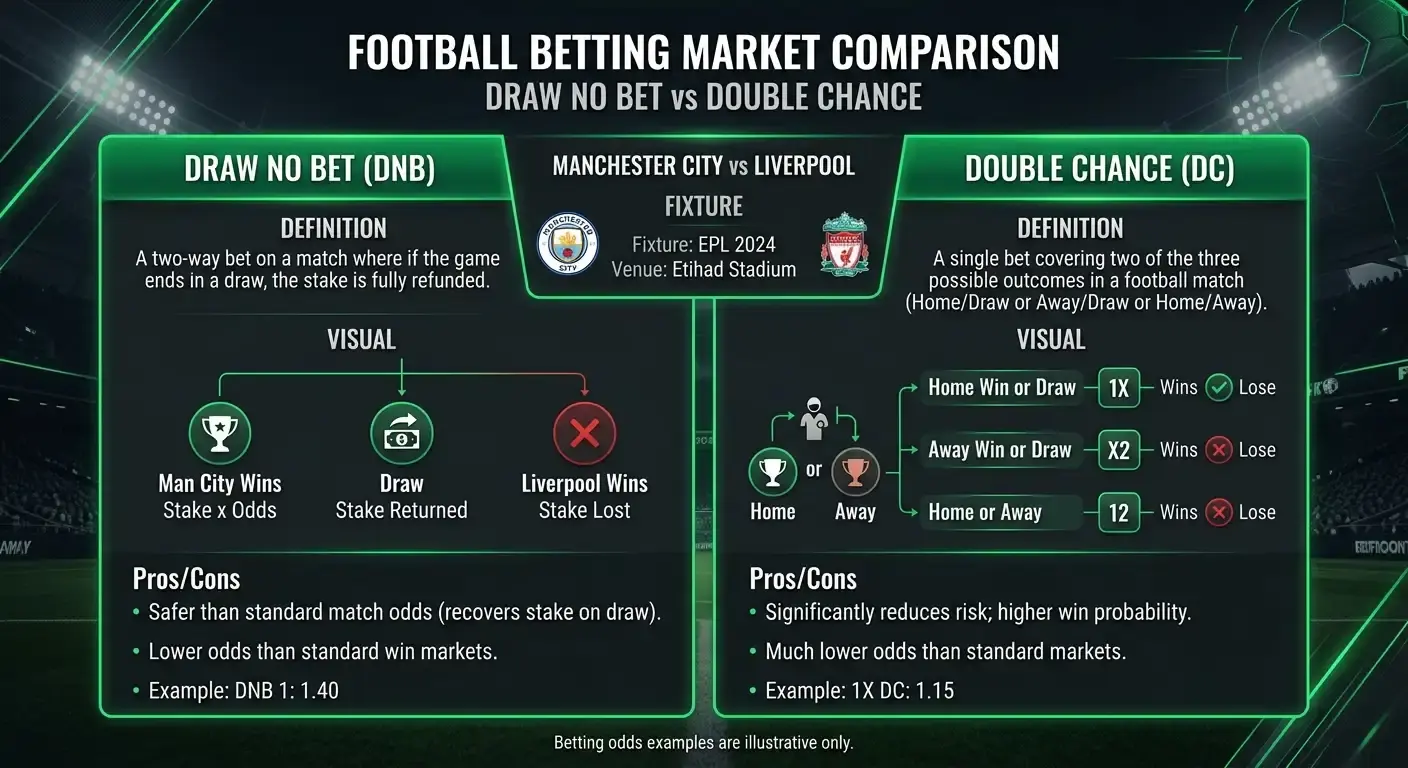
People constantly confuse draw no bet with double chance, and the distinction is worth nailing down because it changes which one you should reach for. Both markets reduce your risk compared to a straight win bet, but they do it differently and they cost you differently.
Draw no bet refunds your stake on a draw, so a level match leaves you exactly where you started, neither up nor down. Double chance, by contrast, actually pays out on a draw if you back the team-or-draw combination, so a level match is a winning result rather than a refund. The trade-off is in the price: because double chance turns the draw into a win, its odds are even shorter than draw no bet, often dramatically so on a strong favourite.
The way I frame it is that draw no bet says “I think this team wins, but protect me if it’s level”, while double chance says “I’ll happily accept a draw as a result”. If you genuinely believe your side will win and you only want insurance, draw no bet is the cleaner and better-value choice. If you would be content with a draw as a positive outcome, the double chance market is built for that, and I cover exactly when covering two outcomes earns its shorter price.
When draw no bet earns its place in my staking
I lean on draw no bet most heavily on cup ties, tight derbies and any fixture where I rate one team clearly higher but suspect the game could be cagey. The classic scenario is a strong favourite away from home against organised opposition: I expect them to win, but I know that a frustrating goalless first hour can end in a backs-to-the-wall point for the underdog. Draw no bet lets me back my read without the draw punishing me for the host’s stubbornness.
It also suits a particular kind of bettor. Live football is the most popular in-play format in the UK, backed by 5% of all adults and 9% of men, and the same temperament that enjoys following a match minute by minute often values a market that survives a tense, low-scoring game rather than living or dying on a single late goal. Draw no bet is the patient punter’s tool, and the demographics of who actually bets on football, where 15% of men place sports bets against 4% of women, skew towards exactly the kind of regular, fixture-by-fixture engagement this market rewards.
Where I avoid it is on heavy favourites whose draw no bet price has compressed so far that there is no meaningful return left, and on genuine coin-toss fixtures where I have no real edge to protect in the first place. The insurance only makes sense when you have a view worth insuring.
The traps hiding behind the safety net
The biggest pitfall is psychological. Because draw no bet feels safe, punters pile into it on favourites at tiny odds and convince themselves they are being disciplined, when in reality they are risking a large stake to win a sliver. A 1.30 draw no bet on an overwhelming favourite ties up real money for a tiny return, and a single upset loss wipes out a long run of those tiny wins. Safe is not the same as profitable.

The second trap is forgetting that you still pay the bookmaker’s margin, which has crept up across the industry from 6.7% in 2018 to 10.15% in 2025. The draw no bet price already bakes in that edge, and stacking several short draw no bet selections into an accumulator compounds the margin on every leg, so the “safe” multiple is often worse value than a single considered bet.
Finally, draw no bet does nothing to protect you from a bad read. It removes the draw, not the loss. If your team is genuinely worse and gets beaten, the void-on-draw clause is irrelevant because there was no draw to void. The market is a tool for protecting a sound opinion, not a substitute for having one.
