
Two questions, nine answers, one tempting payout
The first time a more experienced punter walked me through half time/full time, I remember thinking it was the cleverest bet I’d seen and the most dangerous, in roughly equal measure. It asks you to predict not one result but two: who is ahead at the interval and who wins at the final whistle. Get both right and the payout dwarfs a simple match bet. Get either wrong and you have nothing.
That structure is why HT/FT, sometimes called the double result, sits in a sweet spot of appeal for a certain kind of bettor. Around 10% of UK adults bet on sport online, and within that group there’s a clear appetite for markets that pay more than the obvious result without venturing into pure lottery territory like correct score. HT/FT scratches that itch. The odds are generous because you’re making two predictions, but unlike a scoreline bet, you’re predicting states of the game rather than exact numbers, which feels more analysable. Whether it actually is, once you understand the nine combinations, is the question worth answering.
The nine combinations laid out
Every HT/FT bet is one of exactly nine possible outcomes, and they come from pairing three half-time states with three full-time states. The half-time result can be a home lead, a draw or an away lead. The full-time result can be the same three. Multiply three by three and you get the nine combinations the market offers.
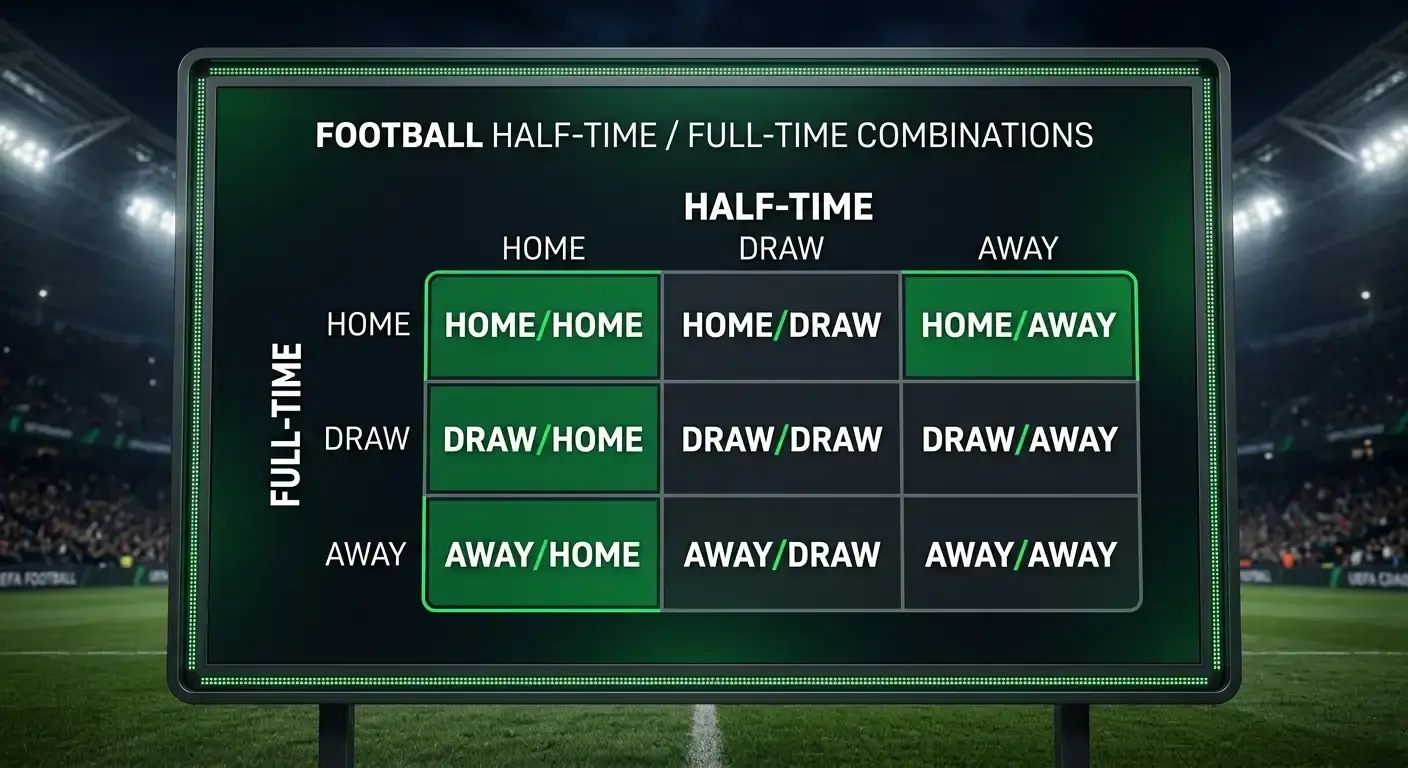
The intuitive ones are the team that leads at half time and goes on to win: home/home and away/away. These are the bread and butter, where a side establishes control early and sees the job through. Then there’s the draw at half time followed by a full-time winner, draw/home or draw/away, the classic second-half breakthrough where a tight first period opens up after the interval. The pure draw/draw covers a game level at both checkpoints.
The remaining combinations are the dramatic ones, and they carry the biggest odds for good reason. Home/away and away/home are the full comebacks, where a team trailing at half time turns the match around completely to win. Home/draw and away/draw are the surrendered leads, where a side ahead at the break is pegged back to a draw by full time. These four account for a small fraction of all matches, which is exactly why they pay so handsomely and lose so reliably.
Comebacks, collapses and holding a lead
Here’s a pattern I learned to respect the hard way: leads in football are far stickier than the romantic comeback narrative suggests. A team ahead at half time wins the large majority of the time, draws a chunk of the rest, and loses outright only occasionally. The full comeback, trailing at the break and winning at the end, is genuinely rare, which makes home/away and away/home the longest and most seductive prices on the board.
I have watched countless punters back the big comeback price on a strong favourite who fell behind early, reasoning that quality will tell. Sometimes it does, and the payout is glorious. Far more often the favourite claws level for a draw/draw or draw at half time then wins, and the comeback bet that needed the favourite to be losing at the break never had the right shape. The bet requires a specific sequence, not just a specific final result, and the half-time condition is where most of these slips die.
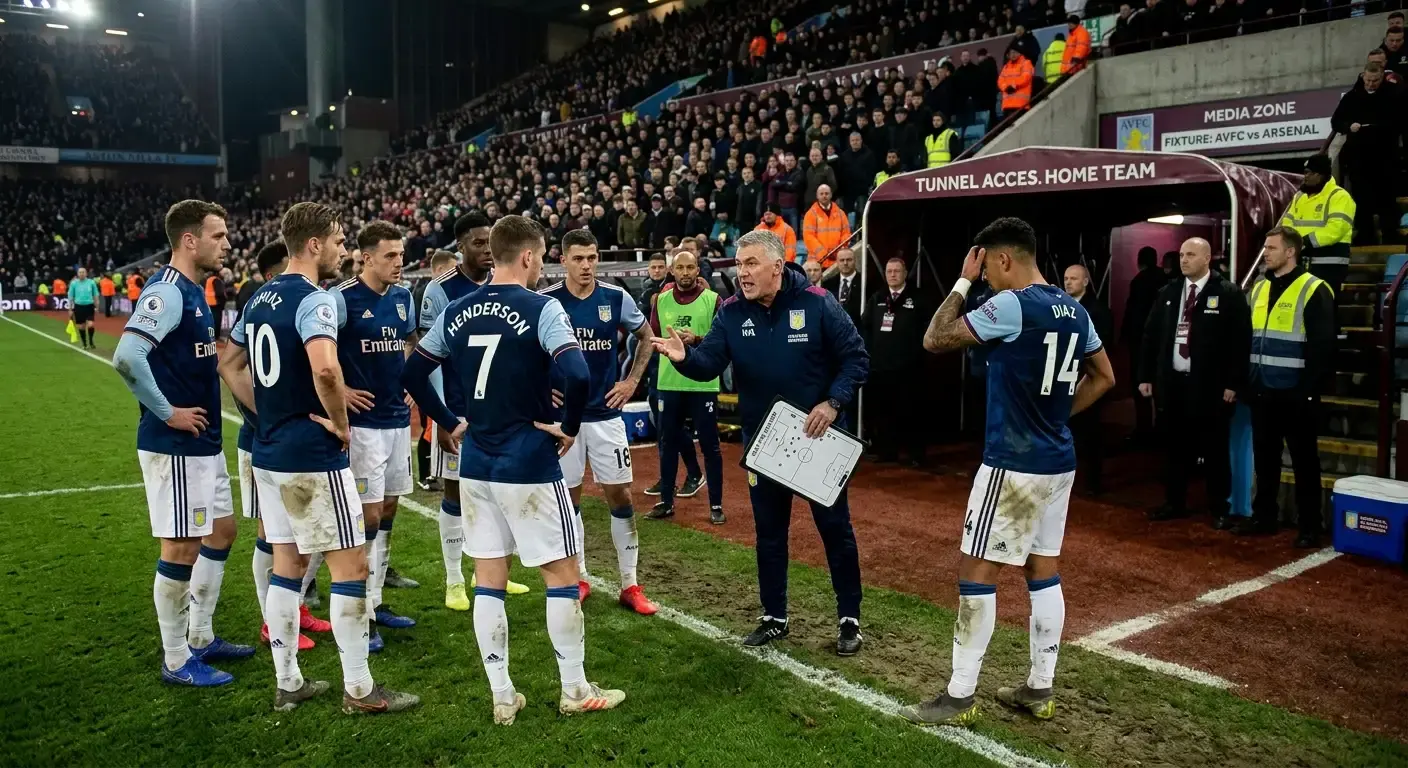
The hold bets, where a side leads at half time and the same result stands at full time, are the more rational play when you genuinely fancy a team to start fast and control a game. A dominant home side against weak opposition that tends to concede early is a logical home/home candidate. The discipline is matching the bet to a fixture whose likely rhythm fits the combination, rather than chasing the longest price on the grid.
The fixtures where HT/FT actually pays
HT/FT earns its keep when you have a strong, specific read on how a match will flow, not merely who will win it. My favourite scenario is a heavy favourite at home to a side that defends deep and tires badly: the favourite may not break through before the interval against a packed defence, but is likely to win as the opposition fades, making draw/home a value play that the straight win price doesn’t reward nearly as well.
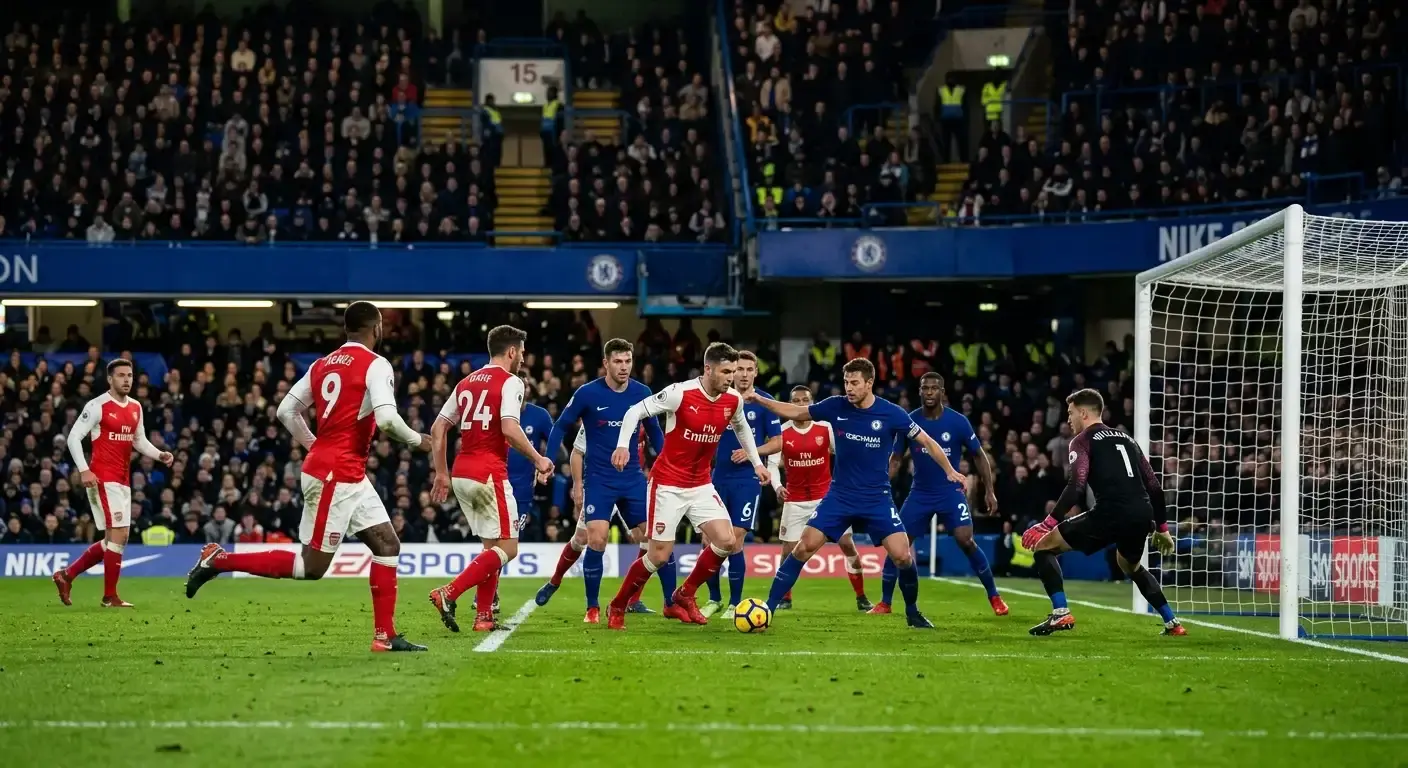
The mathematics of why this works comes down to the bookmaker’s margin and how it’s distributed. The average hold rate across the industry has risen from 6.7% in 2018 to 10.15% in 2025, and that margin is spread across all nine HT/FT outcomes, but it concentrates most heavily in the obvious, popular combinations. The slightly unfashionable but logical combination, like a draw/home on a slow-starting favourite, can offer real value precisely because the crowd piles into home/home and ignores the more probable path to the same final result.
Backing favourites through HT/FT is where I see the most consistent value, but only the right combination. The temptation is always home/home because it feels strongest, yet a great many favourite wins arrive via a goalless or level first half, which means draw/home is frequently the more probable and better-priced route to backing the same team. Reading whether a favourite starts fast or grinds slowly is the entire edge in this market.

Where HT/FT punishes the careless
The cardinal mistake is treating HT/FT as a juiced-up version of the match result. It is not. You can be completely right about who wins and still lose your stake because the half-time state went against your selection. A favourite you correctly backed to win 2-0 produces a winning home/home only if they led at the break; if the goals came after the interval, your home/home loses and a draw/home would have paid. Predicting the winner is necessary but nowhere near sufficient.
The second error is chasing comeback prices for their size. The long odds on home/away and away/home are long because those sequences almost never happen, and stacking these into accumulators is a reliable way to turn a bankroll into a memory. The price is not a gift; it is an accurate reflection of how rarely a team that trails at half time goes on to win.
The third trap is ignoring how managers and game states shape the two halves. A team protecting a first-half lead often sits deep and invites pressure, raising the chance of a surrendered lead, while a side chasing the game throws bodies forward late, which feeds the comeback and collapse combinations. None of that shows up if you only look at who is the better team. If you want a market that rewards calling the precise shape of a game even more granularly, the scoreline market takes the same logic to its extreme, with the punishing odds to match. HT/FT sits a sensible step short of that, and used with a genuine read on a match’s rhythm, it is one of the more rewarding intermediate markets on the coupon.