


The bet every football fan understands instinctively
Ask a casual fan to name the most likely scorer in a big match and they will answer without hesitation, even if they have never placed a bet in their life. Goalscorer markets tap into the most natural football instinct there is, which is why they swell on the biggest occasions. As Bill Miller of the American Gaming Association observed about marquee fixtures, “no single event brings fans together like the Super Bowl, and this record figure shows just how much Americans enjoy sports betting as part of the experience”. The same magnetism applies to a Champions League final or a World Cup knockout, where the goalscorer market draws in punters who back nothing else all season.
That accessibility is double-edged. Because everybody has an opinion on who will score, the obvious names get hammered with money and their prices shorten accordingly, while the real value drifts to players the crowd overlooks. The skill in goalscorer betting is not picking the best striker. It is understanding how these prices are built and finding the scorer the market has underpriced.
First, anytime and last: three different bets
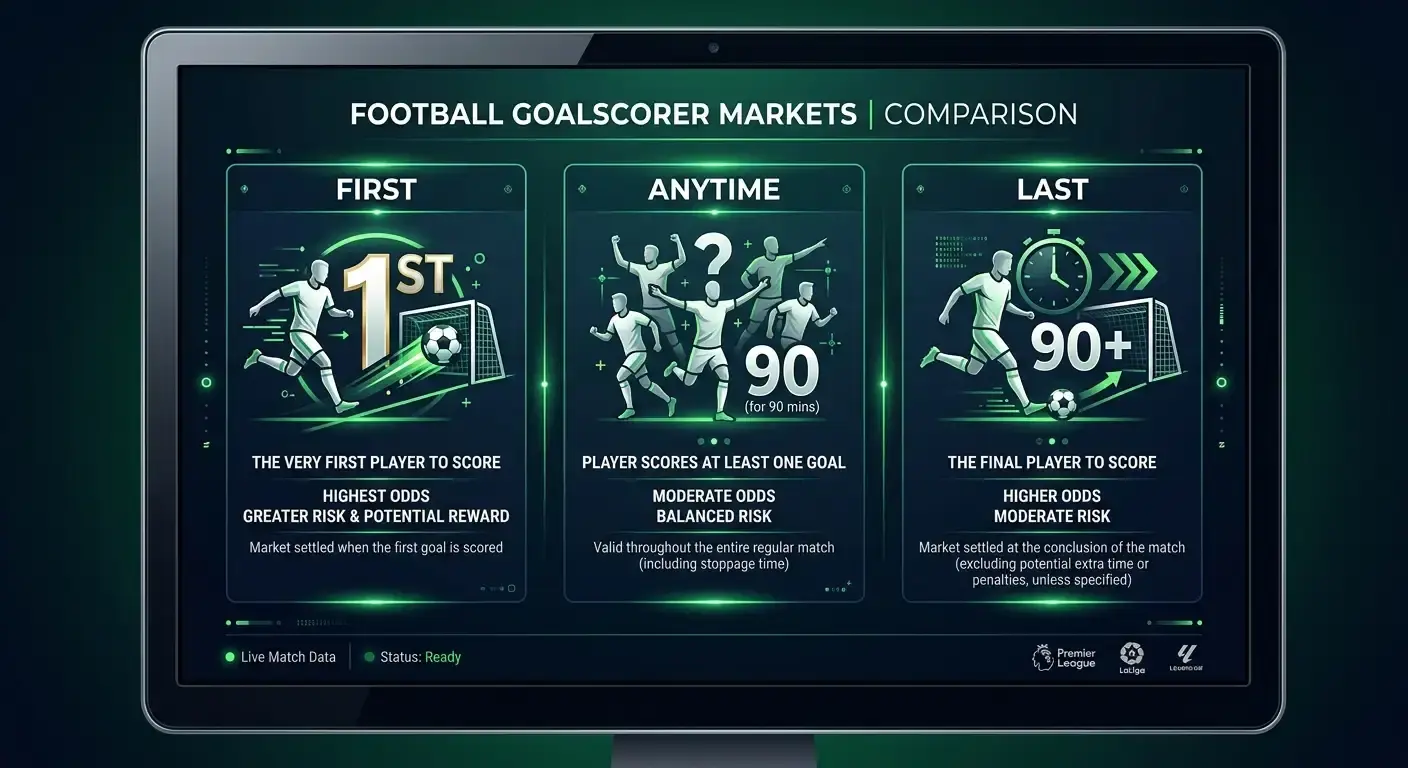
The goalscorer family splits into three core markets, and they carry wildly different risk profiles. First goalscorer asks you to name the player who scores the opening goal of the match, the hardest and most rewarding of the three because timing is everything and a single early goal from anyone else kills your bet stone dead. Anytime goalscorer simply needs your player to score at any point in the game, a far more forgiving proposition that pays shorter odds to match. Last goalscorer requires your pick to net the final goal, which sounds similar to first but plays out very differently because it depends on how the game unwinds in its closing stages.
I steer most newcomers towards anytime as the sensible entry point, because it rewards the correct read, that a particular striker will score, without the punishing precision of first or last. First goalscorer is the glamour bet with the big odds, and it has its place on a match where you have a strong feeling about an early opener, but the variance is severe. Last goalscorer is the specialist’s market, useful when you expect late substitutes or a chasing team to grab a consolation, and it is the one I see mispriced most often because so few people bet it thoughtfully.
How the bookmaker prices a scorer
A goalscorer price is built from a chain of probabilities, and seeing the chain helps you judge whether a price is fair. The bookmaker starts with how many goals the player’s team is expected to score, then estimates that player’s share of those goals based on his role, position and recent scoring rate. A penalty taker gets a bump for spot-kicks; a holding midfielder gets almost nothing; a poacher who plays on the shoulder of the last defender gets a healthy slice.

For first and last goalscorer, the model layers in extra factors. The likelihood of the player even being on the pitch when the relevant goal is scored matters enormously, which is why a striker known to be substituted around the hour mark is shorter for first goalscorer than for last. Time on the pitch is a hidden variable that the headline odds compress into a single number, and reading it is where a sharp bettor pulls ahead of the crowd.

The margin on these markets is generous, because there are so many possible scorers that the bookmaker can build a fat cushion into the book. That is worth remembering before you treat a goalscorer slip as anything other than a high-variance punt. European football generates over 40% of all global online betting revenue, and goalscorer markets are a reliable contributor precisely because their wide fields let the house price in a comfortable edge while still offering the long odds that pull punters in.
The own goal rule and the small print that voids bets
Nothing ruins a goalscorer bet quite like a rule you didn’t know existed, so learn these before you stake. The single most important is the own goal rule: own goals never count towards any goalscorer market. If the opening goal of a match is an own goal, first goalscorer bets are not settled as losers on that goal; instead, most bookmakers carry the market forward to the next genuine goal scored by a player for his own team. The own goal is effectively skipped for settlement purposes.
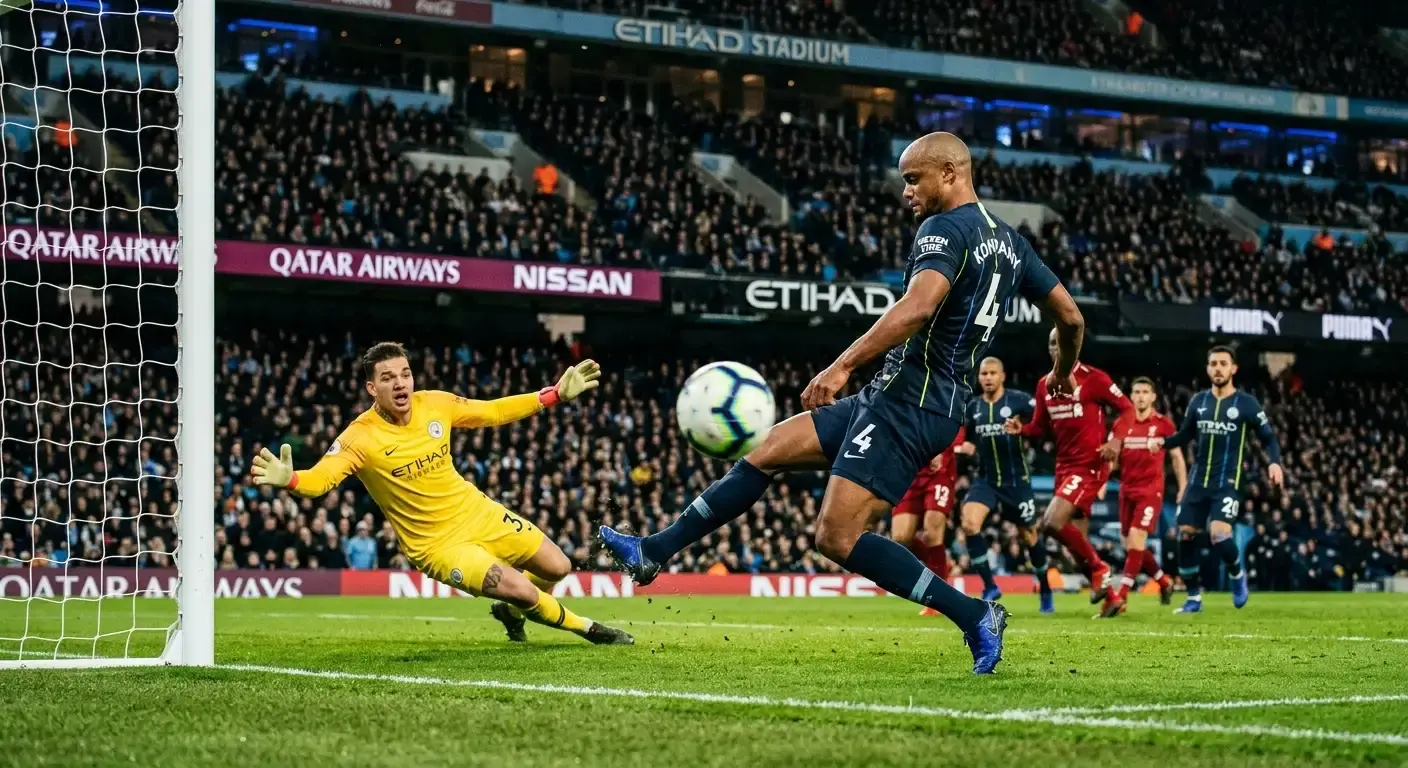
The second rule concerns players who are not involved when the relevant goal occurs. For first goalscorer, if your selected player does not start the match, many bookmakers void the bet and refund the stake, since he cannot logically score the first goal if he wasn’t on the pitch from kick-off. If he comes on as a substitute after the first goal has already been scored, the bet is typically settled as a loser. The exact treatment varies, so the rules tab is not optional reading.
Anytime goalscorer is more forgiving on participation, usually requiring only that the player takes some part in the match, but the own goal rule still applies. These clauses are not bookmaker trickery; they are logical consequences of what the market is measuring, but they catch out punters who stake on instinct without checking how their bet actually settles.
Finding a scorer the market has missed
The value in goalscorer betting lives in the players the crowd ignores, and I find them by looking past the headline striker. Live football is the most popular in-play format in the UK, backed by 5% of all adults and 9% of men, and that mainstream attention concentrates on the famous names, leaving the supporting cast underpriced. An attacking full-back who arrives late in the box, a midfielder on set-piece duty, a substitute striker brought on specifically to chase a goal, these are the selections where the price often lags the genuine chance.
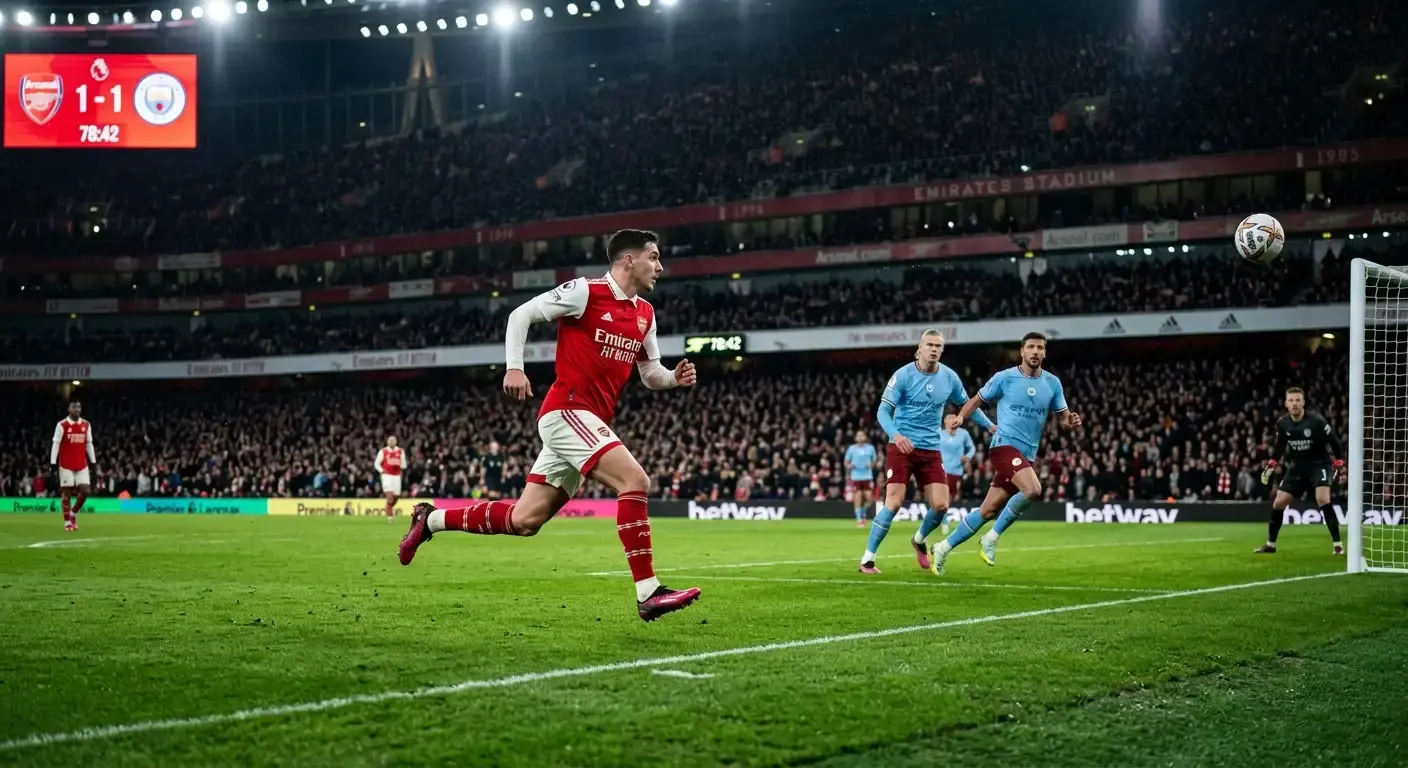
My checklist is short and specific. I want a player who is nailed on to start and likely to stay on the pitch, who occupies a goalscoring role rather than a defensive one, and who faces a defence that concedes the kind of goals he tends to score. A target man against a small back line, a pacy winger against a high defensive line, a penalty taker in a match likely to produce spot-kicks. I weigh the matchup, not just the reputation.
I also resist the temptation to overload goalscorer bets into the exotic combinations bookmakers push, because each added condition multiplies the margin against me. The scorecast, which pairs a goalscorer with the exact final score, is the classic trap, stacking a difficult scorer prediction onto an even harder scoreline call. If you want to see why that combination is priced so punishingly, my breakdown of why the scoreline market pays so much shows exactly where the second half of that bet bleeds value. Backed cleanly and selectively, though, goalscorer betting is one of the most enjoyable and analysable corners of the football coupon.
