


The tools I wish every bettor knew about from day one
In all my years around betting, the saddest pattern I have seen is people who never knew the safeguards existed until they badly needed them. The UK has built one of the most comprehensive systems of player-protection tools anywhere in the world, sitting right inside your betting account, and yet most bettors could not name half of them. That gap between what is available and what people use is exactly what this article is here to close.
The need is real and worth stating plainly. Young men aged 18 to 34 show the highest rate of problem betting of any group, at 13.4 percent, and the tools described here exist precisely because betting, for all that it can be an enjoyable pastime, carries genuine risks that the industry and the regulator take seriously. Andrew Rhodes, reflecting on his time leading the Gambling Commission, said he was “proud of the progress we have made to strengthen regulation, improve consumer protections, and ensure gambling is safer and fairer”. Those consumer protections are not abstract policy; they are practical controls you can switch on today, and knowing them is part of betting responsibly.

The controls built into your account
Every licensed UK operator is required to offer a suite of tools directly within your account, and using them from the outset is the single best habit a bettor can build. The most important is the deposit limit, which lets you cap how much money you can pay into your account over a chosen period, daily, weekly or monthly. Once set, the operator cannot let you exceed it, and increases take effect only after a cooling-off delay, while decreases apply immediately. Setting a deposit limit before you ever feel you need one is the foundation of staying in control.
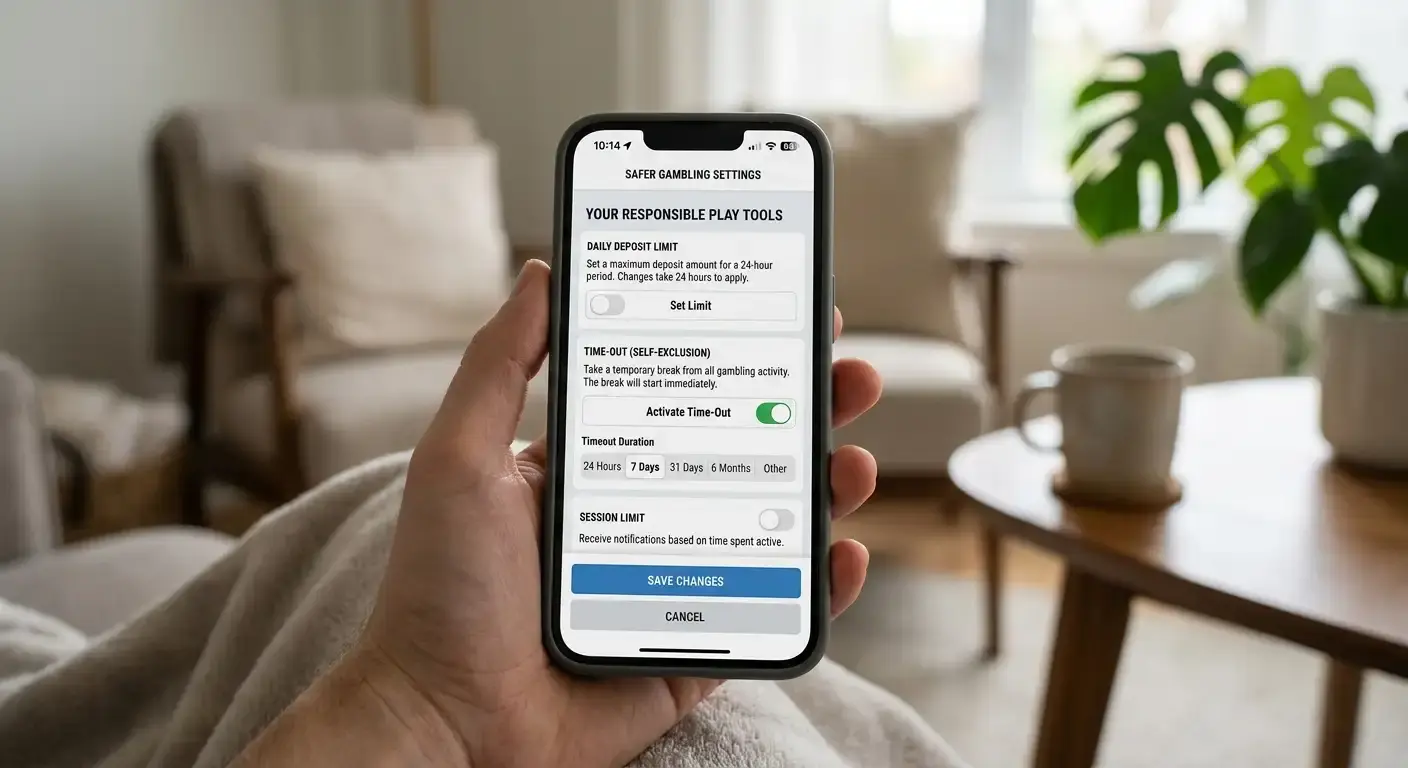
Beyond deposit limits, accounts offer loss limits and stake limits that cap how much you can lose or wager over a period, giving you finer control over your exposure than deposit limits alone. Reality checks are another simple but effective tool, sending you a notification after a set period of play to remind you how long you have been betting and how much you have spent, breaking the trance that long sessions can induce. These are quiet, practical features that take seconds to configure and work continuously in the background.
The regulatory environment around these controls keeps tightening in players’ favour. Since April 2025, online slots in the UK have carried stake limits of five pounds per spin for those aged 25 and over and two pounds per spin for those aged 18 to 24, part of a broader push to reduce gambling harm, and further changes continue to reshape the landscape. The direction of travel is consistently towards stronger protections, and the in-account tools are the front line of that effort.
GamStop and self-exclusion
When the in-account limits are not enough, the next tier of protection is self-exclusion, and the UK’s national scheme is one of its most important safeguards. Self-exclusion lets you ask an operator to block you from betting for a chosen period, and crucially it is binding: once you self-exclude, the operator must prevent you from gambling and must stop sending you marketing for the duration you select.
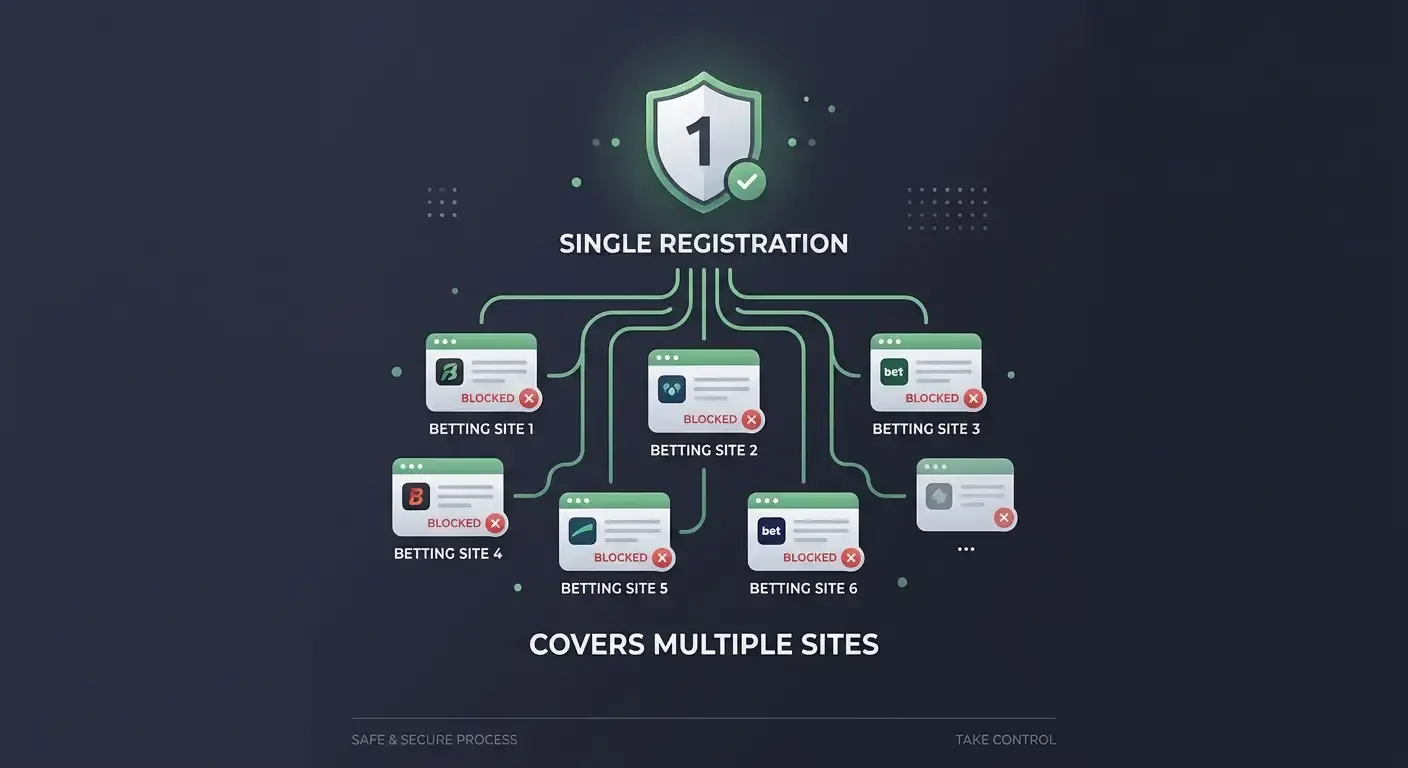
The national scheme that ties this together is GamStop, a free service that lets you exclude yourself from all online gambling operators licensed in Great Britain at once, rather than having to block each one individually. You register with GamStop, choose an exclusion period, and the scheme prevents you from accessing any participating online operator for that time. Because every licensed operator is required to participate, a single registration covers the entire regulated online market, which is what makes it so much more powerful than excluding from sites one at a time.
Self-exclusion is a serious step, and it is designed to be difficult to reverse before the period ends, which is the whole point: it puts a barrier between you and betting at a moment when you have decided you need one, and it holds that barrier even if your resolve later wavers. For anyone who feels their betting has stopped being a choice, GamStop is the most comprehensive tool available, and using it is a sign of strength rather than failure.
Where to find genuine support
Tools are one half of the picture; human support is the other, and the UK has well-established, free services for anyone who wants help with their gambling or is worried about someone else’s. The scale of need is significant, with research finding that millions of people experience gambling-related problems ranging from mild to severe, and the support infrastructure exists to meet that need without judgement and at no cost.

GamCare runs the National Gambling Helpline, offering free, confidential support and advice to anyone affected by gambling, whether their own or a loved one’s, and it operates around the clock. GambleAware is another major source of free information, advice and routes into treatment, helping people understand their options and connect with the right support. These organisations exist specifically to help, they are independent of the operators, and reaching out to them is a normal, sensible step rather than a last resort.
If you are concerned about your gambling or someone else’s, contacting one of these services is genuinely worthwhile, and you do not need to be in crisis to do so. They support people across the whole spectrum, from those who simply want to bet more mindfully to those facing serious difficulty, and the earlier someone reaches out, the easier it usually is to regain control. There is no threshold of severity you must reach before help is appropriate.
Knowing the signs worth taking seriously
Recognising when betting is shifting from a pastime to a problem is a skill worth developing, both for yourself and for the people around you, and the warning signs are well understood. Betting more than you can afford to lose, chasing losses by increasing stakes to win money back, betting to escape stress or low mood, and hiding the extent of your gambling from people close to you are among the clearest signals that something has changed. The shift is often gradual, which is why honest self-awareness matters so much.

The broader context underlines why this awareness is important. National surveys have found that a large majority of adults consider gambling addiction as serious as alcohol or drug dependency, with 79 percent holding that view, and 65 percent of those surveyed reported having gambled before the age of 21, a reminder of how early and how widely gambling features in many lives. Treating the warning signs with the same seriousness you would apply to any other health concern is simply sensible.
If you notice these patterns in yourself, the in-account limits, the reality checks, GamStop and the support services described here are all available immediately and exist precisely for this purpose. There is no shame in using them; the bettors I respect most are the ones who treat these tools as a normal part of betting rather than an admission of weakness. Betting responsibly also means understanding the wider framework you operate within, including how the system is funded and regulated, and my guide to the UK tax rules and what the 2026 changes mean covers how the operator duties that fund harm-reduction efforts are changing.
