

The price is a living thing, not a fixed number
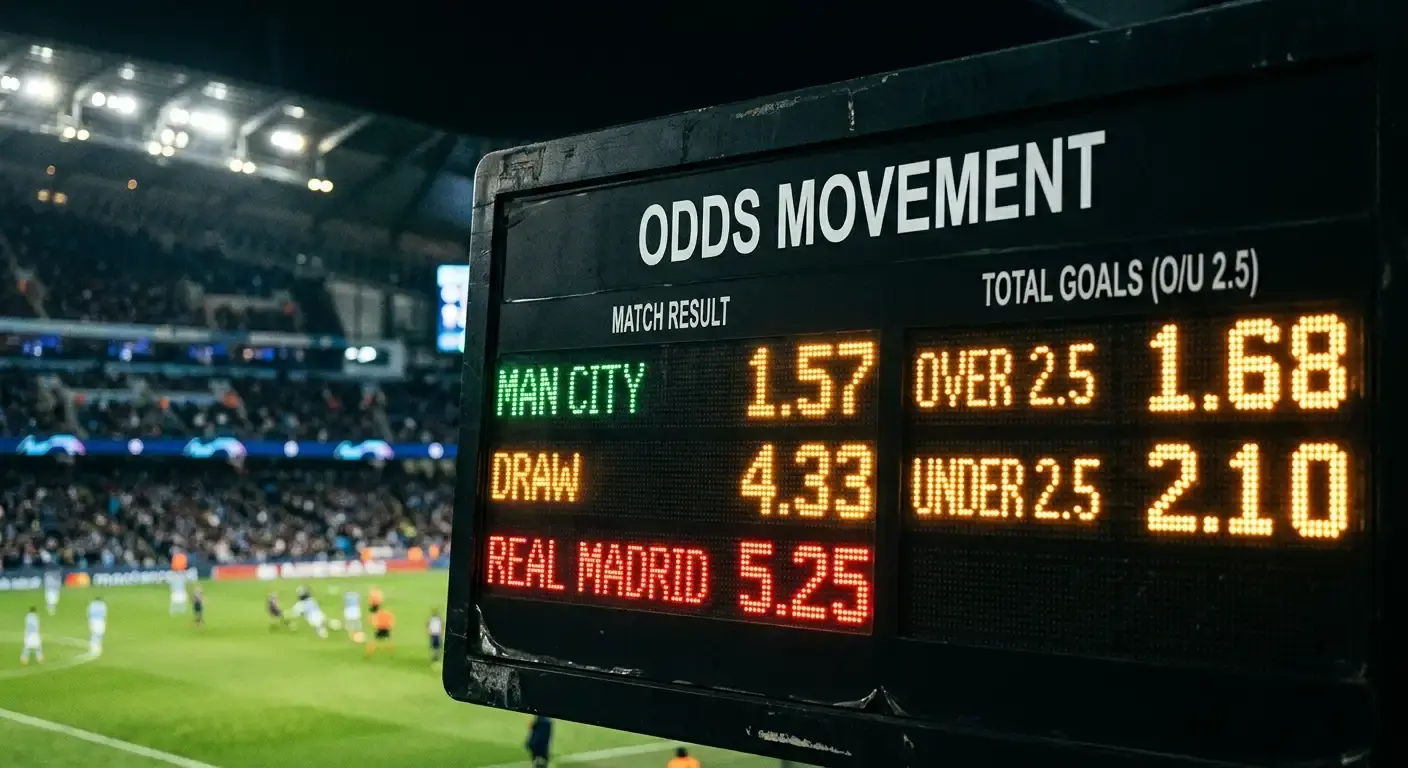
The first time I watched a price I had been eyeing shorten dramatically in the hours before kick-off, I realised I had been thinking about odds completely wrong. I had treated the opening price as the true value and assumed it would hold. In reality, odds are a living thing that breathes and shifts from the moment a market opens until the referee blows the first whistle, and learning to read that movement is a genuine skill that separates the thoughtful bettor from the rest.
The scale of money driving this movement is staggering. Around 290 million online bets are placed in the UK every month, an ocean of stakes that operators must constantly balance, and every one of those bets nudges the prices in some small way. The lines you see are not a static prediction; they are a real-time equilibrium between what the operators believe, what the betting public is doing, and what the sharpest money is signalling. Understanding the forces that move a line tells you a great deal about where the value sits and when to strike.
What actually moves a line
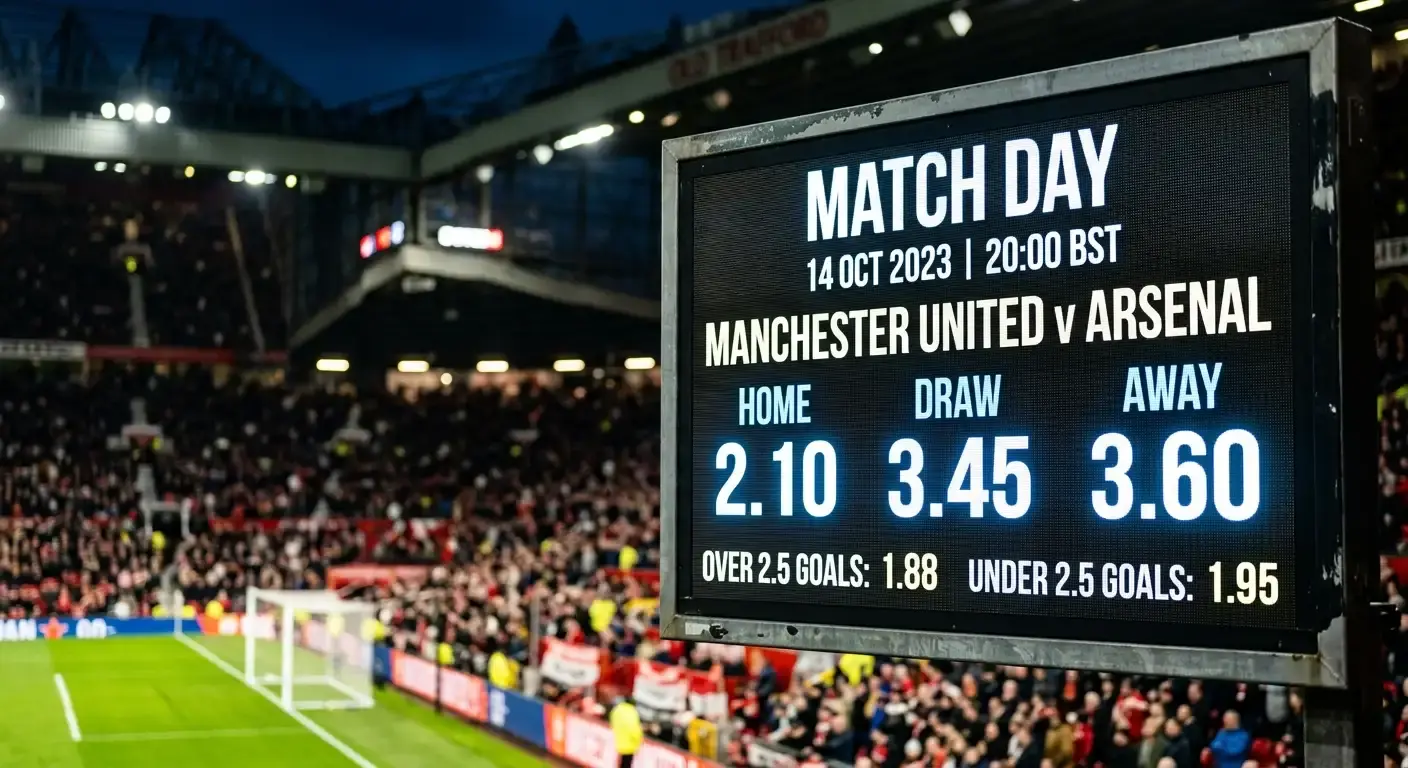
A bookmaker opens a market with a price built from its own models, but that opening line is only the starting point, and several forces push it around from there. The most fundamental is the weight of money. Bookmakers aim to balance their books, taking roughly equal liability on each side of a market so they profit from the margin regardless of the result, and when money piles onto one outcome they shorten its price and lengthen the alternatives to attract balancing bets. A line drifting in one direction often simply reflects where the public is putting its stakes.
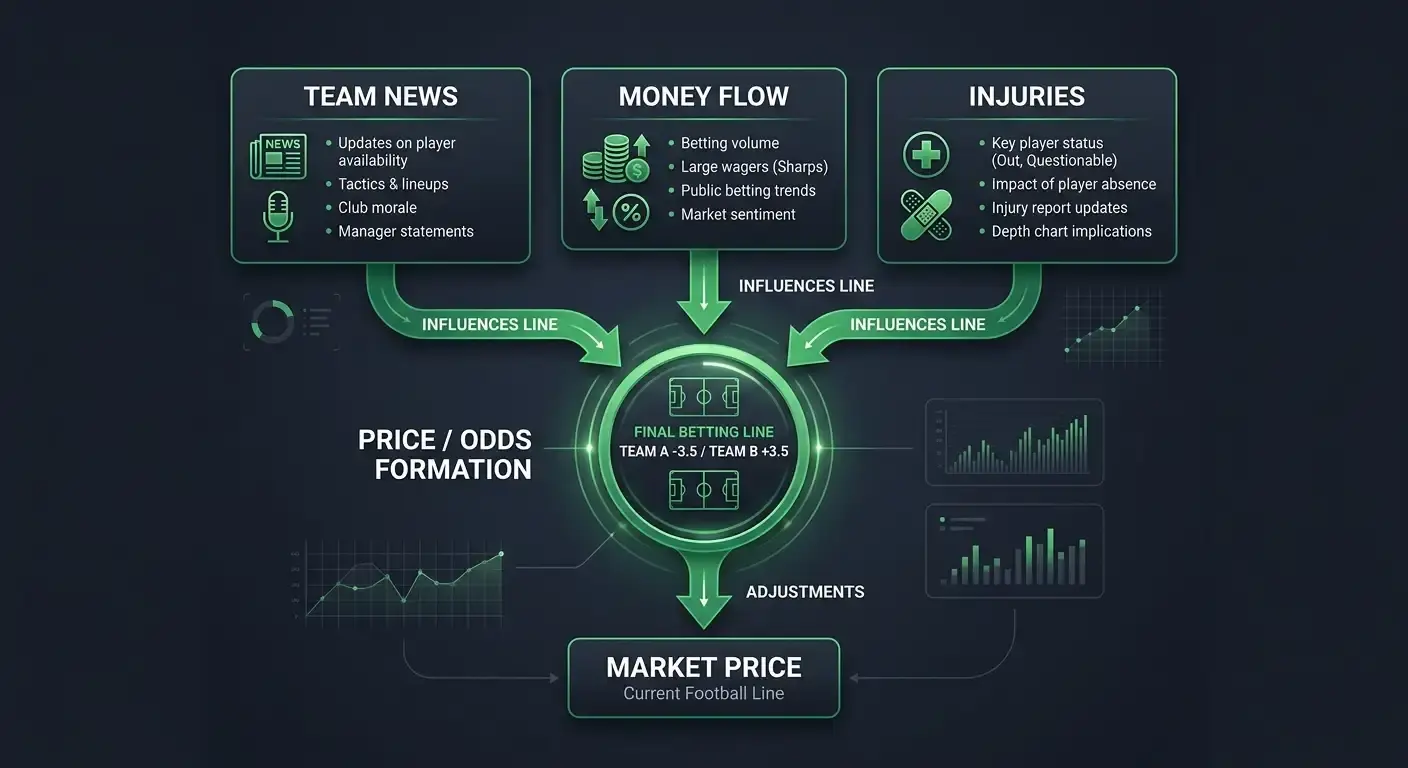
The second force is information. Team news, injuries, suspensions, a manager’s pre-match comments about resting players, all of this arrives in the hours before kick-off and forces the operators to re-rate their prices. A confirmed injury to a key striker lengthens his team’s price the moment the news breaks, because the underlying probability of that team winning has genuinely changed. These information-driven moves are different in character from money-driven moves, and telling them apart is central to reading a line correctly.
The third force is the action of sharp bettors, the professionals and syndicates whose opinions the operators respect. When sharp money hits a price, bookmakers move quickly because they assume that money knows something, and a sharp-driven move can shift a line even against the flow of public stakes. The market is mobile-first now, with roughly 80 percent of online bets placed on phones, which means money flows in faster and prices react more quickly than ever, compressing the window in which a mispriced line survives.
Sharp money against public money
The single most useful distinction in reading line movement is between sharp money and public money, because they signal opposite things about where value lies. Public money is the weight of recreational stakes, and it follows predictable patterns: it piles onto favourites, onto popular clubs, onto overs and onto exciting outcomes, driven by enthusiasm rather than analysis. When a line moves purely because the public has hammered a fashionable outcome, that move often pushes the price away from value rather than towards it.
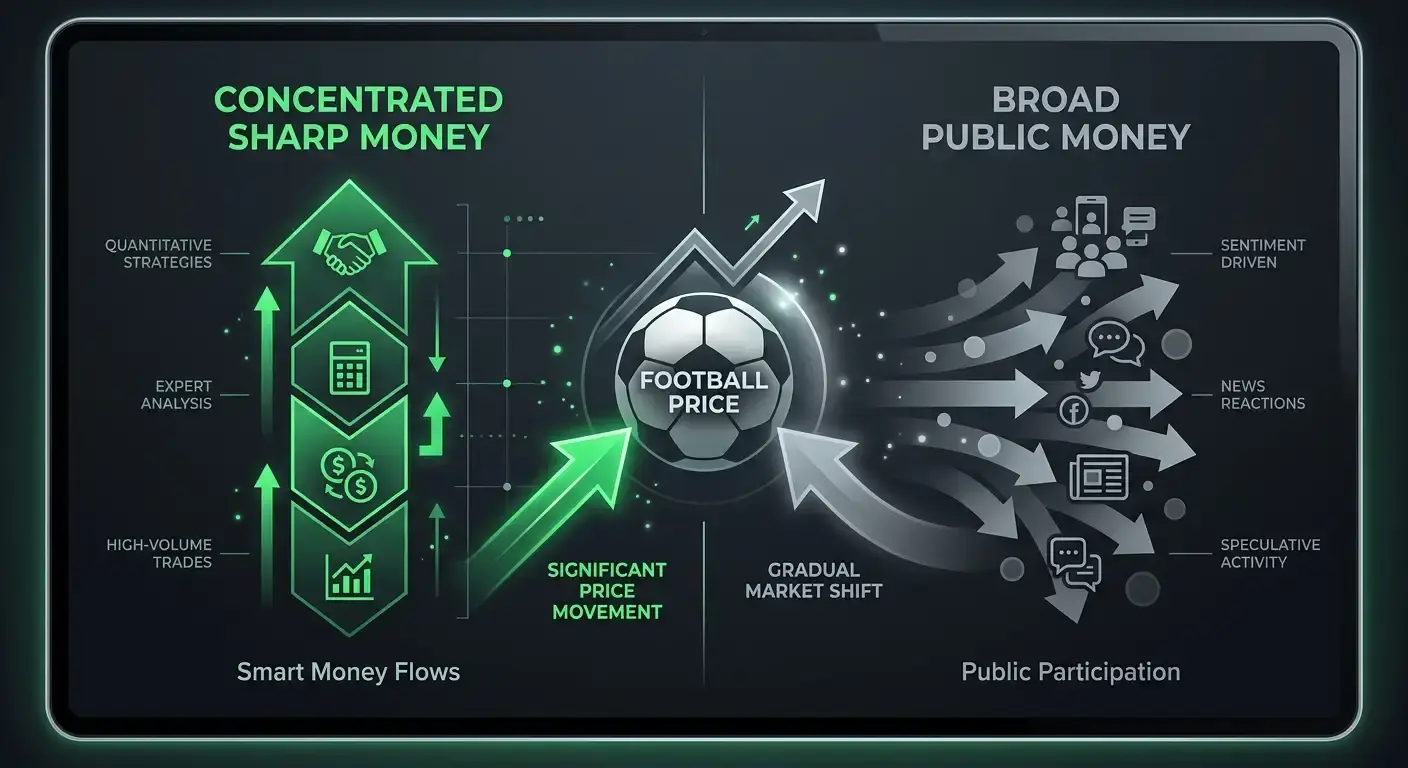
Sharp money is the opposite, the stakes of bettors with a genuine edge whose action the operators treat as information. A sharp-driven move is one where the line shifts in a way that the public flow does not explain, often on a less glamorous outcome, because the smart money has identified a mispricing. Learning to spot these moves, a line shortening on an unfashionable side, or holding firm against heavy public money on the other side, is one of the clearest windows into where the informed opinion sits.
The concept that ties this together is reverse line movement, where a price moves in the opposite direction to where the public money is going. If the majority of bets are on the favourite yet the favourite’s price drifts longer, it suggests sharp money is backing the underdog heavily enough to override the public flow, a strong signal that the informed opinion disagrees with the crowd. These divergences between where the money is and where the line moves are among the most reliable tells a bettor can read.
Reading team news like a professional
Of all the information that moves lines, team news is the most consequential and the most rewarding to read well. The confirmed starting eleven, released roughly an hour before kick-off, can transform a market in seconds, and the bettor who understands the impact of a particular absence before the price fully adjusts can capture genuine value in that brief window.
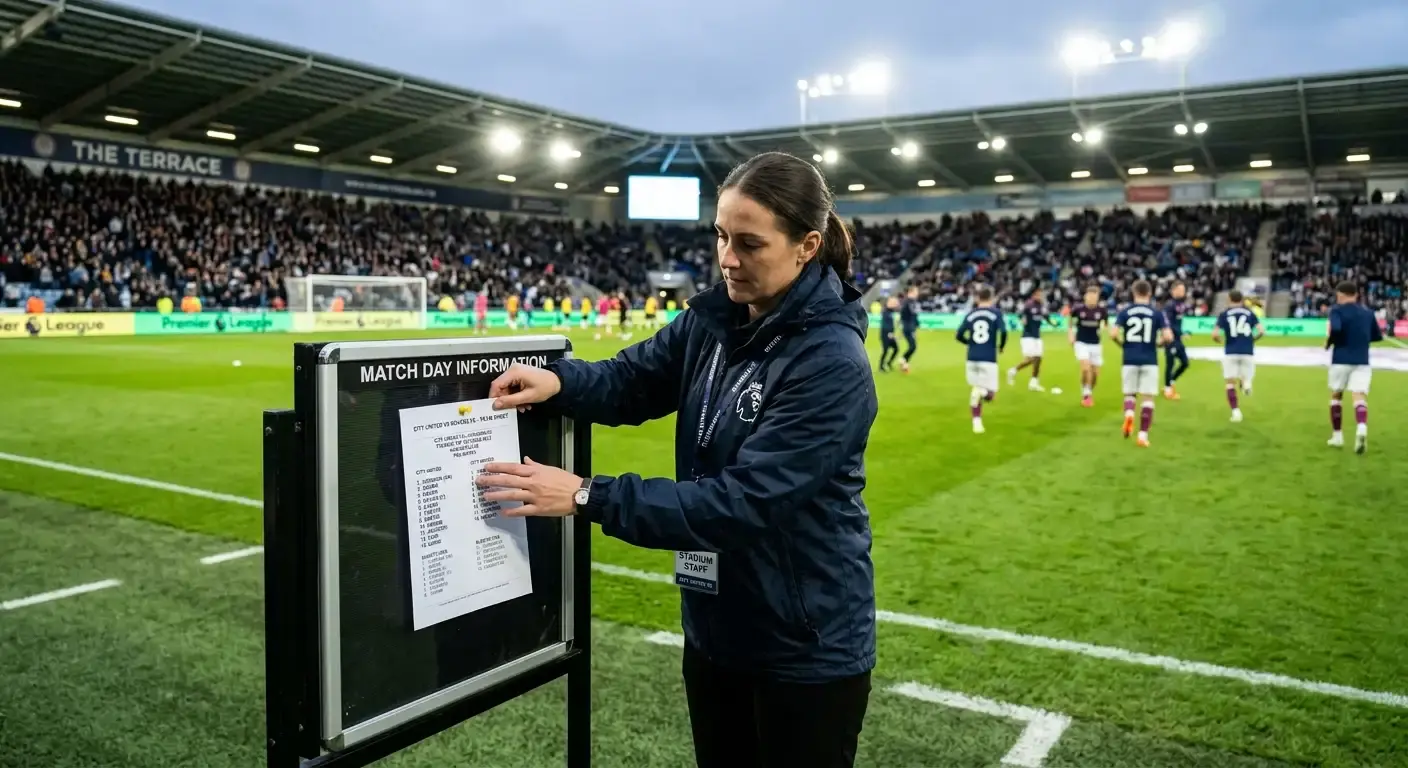
The skill is in knowing which absences matter more than the market initially prices. A star striker missing is obvious and the line moves immediately, but the subtler impacts are where the edge lives: a key creative midfielder whose absence quietly strangles a team’s chance creation, a first-choice goalkeeper replaced by a shaky deputy, a defensive linchpin out of a back line that leaks without him. The market reacts fastest to the famous names and slower to the unglamorous players whose true importance the casual money underestimates.
Timing is everything with team news. Prices in the hour before kick-off move rapidly as line-ups are confirmed and the late money floods in, and the bettor who has done the homework, who already knows what a given absence means before it is announced, can act on the news faster than the market fully digests it. That preparation, knowing the squads and the dependencies before the team sheet drops, is what turns team news from something you react to into something you anticipate.
Turning line movement into better bets
The practical payoff of all this is in timing your own bets, and the central question is always whether to bet now or wait. If you believe a price will shorten, because you expect public money or sharp money to back your selection, betting early secures the longer price before the move. If you believe a price will drift longer, because the public is about to hammer the other side, waiting can hand you a better number. Reading the likely direction of movement is how you optimise the price you actually get.

The most valuable concept that flows from this is closing line value, the comparison between the price you took and the price at kick-off. If you consistently beat the closing line, taking prices that shorten by the time the market closes, it is strong evidence that your judgement is genuinely ahead of the market, because the closing line is the sharpest, most information-rich price of all. Tracking your closing line value over time is one of the best honest measures of whether you have a real edge or are simply riding variance.
All of this serves the deeper goal of identifying mispriced bets, because a line that has moved for the wrong reasons, public enthusiasm rather than genuine information, is exactly where value hides. The bettor who reads movement well is really reading where the market’s price has diverged from the true probability, which is the foundation of every profitable bet. That connection between line movement and genuine mispricing is the heart of finding value, and my guide to finding positive expected value covers exactly how to turn a read on the price into a bet worth making.
